



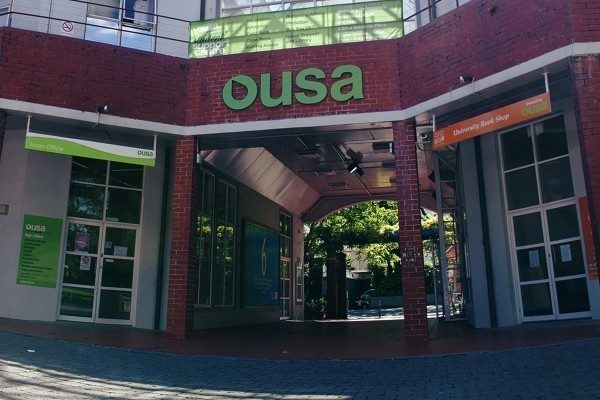

A Student General Meeting (SGM) will be held in a couple of weeks, discussing major role changes to your OUSA student executive. SGMs invite students to vote on constitutional changes passed by the OUSA Exec – the constitution cannot be altered without student backing. As previously reported, six Exec roles will be affected by the constitutional change, with a “greater focus on student engagement, representation and accessibility”. According to meeting minutes circulated for the 27th of July, the changes “redistribute responsibilities across a larger number of representatives, allowing advocacy portfolios to be more specialised and responsive to student needs”. Long story short, it’s a biggie.
At the time of writing, there has been no comprehensive explanation of the rationale behind the changes. The only context available to students is from Critic Te Ārohi's own previous reporting, and meeting minutes found on the OUSA website. Here’s what we know:
The Administrative Vice-President (20 hours) already exists, and is responsible for being the President’s 2IC, plus doing a heap of admin. This includes maintenance of internal policy and overseeing the legislative requirements of the Association.The AVP monitors the strategic goals of the Association – taking over some of the strategy work from the current Finance and Strategy Officer (more on that soon!)
New role alert! The Engagement Vice-President (20 hours) will also be a 2IC, and is “responsible for the oversight and co-ordination of student engagement with OUSA, its political stances and advocacy on campus.” Given the Political Representative role will be dissolved due to the role changes, this role will pick up the portfolio. The EVP will also work “closely with the Administrative Vice-President on the monitoring and implementation of the association's strategic goals”, which includes promoting strategic direction across campaigns, marketing, events and OUSA official communications channels. A glorified social media manager? Just kidding.
The Finance Officer (15 hours) replaces the Finance and Strategy Officer and is responsible for overseeing the “financial performance, commercial interests, implementation and monitoring of the commercial goals of the Association.” If that wasn’t enough, they’re also the “primary liaison” between the Exec and all commercial decision-making parties (namely the OUSA Holdings Board and the Finance, Expenditure and Strategy Committee). Furthermore, they’re responsible for co-authoring the annual budget in conjunction with the Chief Executive and representing the Exec on OUSA’s boards with commercial interests – such as University Union Ltd and OUSA Holdings Ltd. No Exec member currently does this, and a change like this could potentially increase cohesion between commercial decision-makers and the Exec.
Read this next bit carefully. The current Academic Representative (20 hours) and Postgraduate Representative (10 hours) roles, will be replaced by a new Academic Officer role and an Educational Representative role, 10 hour roles each. According to minutes from the 27th of July, (current) Academic Rep is being split due to the current role being “very meeting heavy and busy”. The (new) Academic Officer will be responsible for “co-ordination and primary oversight of the educational affairs of the Association” and ensuring that the academic interests of members are “represented, respected and enhanced.” They will also be present at the University Senate (the primary academic governing body of the University of Otago) and lead academic campaigns and policy strategies of the association.
On the other hand, the (new) Educational Representative is also responsible for oversight of the educational affairs of the Association, in conjunction with the (new) Academic Officer, and will ensure that the academic interests of members are represented, respected and enhanced, by acting as a liaison between the university academic staff and OUSA. This shit is harder than finding 10 differences in Critic’s spot the difference. The Educational Rep would also be responsible for the oversight of Postgraduate support by the association and will work in conjunction with the Academic Officer to advocate on behalf of postgraduate affairs, so while Postgraduate Rep will be dissolved by the changes, the work itself isn’t disappearing – it’s just being reallocated to a new role.
The Welfare and Equity Representative (15 hours) is responsible for co-ordination and oversight of welfare and equity affairs of the Association and will ensure that the needs of members are represented, respected and enhanced. Currently, this role is a 20 hour role, but is seeing a reduction to 15 with the introduction of a Disabled Students Rep (more on that soon).
The International Students Representative (10 hours) is responsible for representing the interest of international students. They must be an international student when running for, and while in, Executive Office.
The Clubs and Societies Representative (10 hours) is responsible for representing the interest of all clubs and societies affiliated with the Association and their members. Where reasonable, this Officer will assist in fulfilling the roles of the Executive that are not covered by other Executive Officers and/or assist other Executive Officers with their roles – so they’ll need to be a bit of a jack of all trades.
The Residential Representative (10 hours) is responsible for representing the interests of recreation, social culture, and residential colleges at the University. Where reasonable, this Officer will assist in fulfilling the roles of the Executive that are not covered by other Executive Officers and/or assist other Executive Officers with their roles.
A reestablished role approaches! Good day – it’s the Disabilities Representative (5 hours). The Disabilities Representative is responsible for advocating for Disabled Student members, ensuring their interests, rights, and wellbeing are represented, respected, and advanced within the Association’s welfare and equity matters, and on campus. The Disabilities Representative will act as the direct Association liaison between the National Disabled Students Association, the Otago Disabled Students Association and OUSA.
Ex-officio roles won’t be changing, so both the Te Rōpū Māori Tumuaki Takirua and Pacific Islands Students’ Association President will still be represented on the Exec.
Also of note is that while the changes were passed by the Exec to be put to SGM last Monday, only one person has been cautious about the role changes. President Daniel Leamy has repeatedly voiced concerns about there not being “enough time to fully discuss these changes” and for the changes to be “canvassed fully”. He emphasised that these are “substantial changes”, and argued that they should be supported by a more “comprehensive consultation process” and longer timeframe to allow students “adequate opportunity to consider and respond to the proposals”. In saying that, the minutes do not record any plans for student consultations from Daniel or suggestions as to how this could’ve been made to happen. If you don’t like Plan A, provide a Plan B? Daniel also proposed that the SGM should be cancelled, and that the proposals should be pushed for consideration to the 2027 Exec – “allowing for a thorough student consultation process to be undertaken.”
If you’re still a bit confused, then #same. The minutes from the 10th of August note that a discussion document will be drawn up, which should hopefully be circulated to students ASAP. Forgive Critic for having trust issues, though – the minutes from the 3rd of August emphasise that these changes should be “advertised and communicated wider” to make sure students understand that student roles aren’t being taken away, and that reduced positions will be picked up by other positions. The minutes from the 27th of July note that President Daniel Leamy and AVP Kamesha Jones will “send out emails to the wider student body to explain these changes”.
Anytime now.
