
Carys Goodwin
Politics Editor
Articles by Carys Goodwin
89 articles found. Displaying page 6 of 8.
-
News
 Issue 11 11/05/2014
Critic tackles election year | Issue 11
Otago welcomed an unlikely guest the week before last: Colin Craig, leader of the Conservative Party. His visit was a flurry of interviews, including a much-anticipated appearance on Vote Chat, and I was lucky enough to spend a bit of time with the thoroughly intriguing man. Social conservatism doesn’t tend to be the name of the game for students in Otago, and Craig has often appeared in the media for ridiculous statements; for that, I wasn’t entirely sure what to expect. As it turns out, he’s actually extremely personable, was very interested in the general mechanics of Critic, and willing to answer whatever I threw at him – including a “shoot, shag, marry.” We chatted for nearly half an hour, so this page features the best bits of the interview. The rest can be found at critic.co.nz/colin. While we’re on record ... I want to be guaranteed that you’re not going to sue us for defamation. No, that’s fine. That’ll be a no. This is a university, we have a lot of students, and I’ve scoured through your website, and I can’t really find much on tertiary education. So I was wondering if you could just lay out for me where you sit on student loans and allowances in the tertiary sphere? The reason we haven’t put our policy out on it is we’re still fine-tuning a couple of the points. We will have a tertiary policy for the election. We’ve made some public comments already, so a couple of the key things we’ve said: first of all, we’ve said that a system that sees the student get indebted, the government get indebted, and the university get indebted, clearly isn’t sustainable in the long term, and that’s the system that we currently have. And there are a couple of reasons for that. One of the reasons that I see as a problem is we’ve taken a very broad approach to universities now, whereby we fund bottoms on seats, and we say this is all about getting the maximum number of people through. Yeah. So what about in terms of loans and allowances? ‘Cause that’s always a hotbed of discussion here. Yeah, we don’t think we’ll be changing a lot in terms of the allowances side of things, but I think the problem we’ve got is that the current system basically gets everyone indebted … So our goal, ultimately, is to find a way to make higher education fully funded, at least for some. And one of the routes this might work quite well is to, instead of making it a straight-after-school experience, bring education much closer to work, so that it’s more of a continuing education, it’s more of a process of … get[ting] a job and as part of that job, and as part of professional development, the education is a little more integrated to life experience. Yeah. So you’d promote, perhaps, subsidies for students who have jobs while they’re trying to learn and that sort of thing? Yeah, that’s right, and working with employers and saying, look hey, if you upgrade your people, now they’re in a field – I mean a classic discussion is around nursing, you put people through nursing degrees, and they realise they don’t actually like nursing when they actually get out and do it. Far better would be to actually introduce people to the practice, get them practically underway, and then say, okay, now let’s get your bachelor’s degree around nursing. The thing is, though, how are you supposed to get a job if you’re not qualified? Well I think the thing is, you know, a university degree doesn’t guarantee you a job. The current situation we have is there is not a big difference in New Zealand, and I think this is an important issue, between having a university education and not. Today a youth-led organisation called Generation Zero have just released a policy report that says that they’re calling for clean energy. In the past you’ve been quoted on a few things regarding climate change, and I was just wondering if you stand by your argument that it’s not human-caused? Oh no, I’ve always said human activity does influence climate, but it’s a minor influence. Not the major influence. The major influence, in my view, and far away the biggest influence on us, is our sun. I mean, it’s the biggest influence on our climate, seasons, climate change and effect, because we’re a slightly different distance away from the sun. But I find the most productive thing is to say, let’s tidy up and let’s clean up our environment … And I would much prefer to spend time and energy on environmental issues where we deliver an absolute result that can make a difference in people’s lives than to talk about an emissions trading scheme, which is very remote – [it] isn’t changing anyone’s behaviour, actually. And I think until we get countries like America and China on board we’re dreaming if we think we can change the climate. What about renewable energy? I mean, you talked about the sun, you know, if it’s causing climate change, then it can also cause the energy … I mean, look, the sun’s a wonderful source of energy and I think looking at renewable sources of energy makes a lot of sense, and for us as a nation, most of our energy is hydro, which is a renewable source, and it’s seasonal, and that’s one of the problems. I’m not a huge fan of wind generation because it’s not economic, but I think some of the things we can do, basic things we can do, that make a lot of sense, are what if we took all of the water heaters in all of our houses in this country and changed them to heat transfer systems, which saves about three quarters of the energy in terms of heating homes. Now that’s a huge difference. And it’s economically viable. So if you could name a party in government that you’d closely align yourself with on the environmental standards? There are some areas here where we could definitely work with the Greens, for example, we couldn’t work with them on other areas, but when it comes to cleaning up New Zealand’s rivers? Absolutely in the same space. You said a couple of years ago that kids sent to school without lunch should go without, and regarding the talk recently with different policies and how our child poverty problem is going, do you stand by that? I don’t remember saying that, I know that we’ve said it’s the responsibility of parents, and we should be making the parents step up, and I certainly stand by that. And I think there are some good examples of it where if you ask and expect parents to do more, they will, but if you give them a free pass, if you say ‘”you know what, we’re going to provide lunch at school,” I believe many parents will make the choice not to supply lunch to their child. People still live below the poverty line, though, and there’s no way to guarantee that any parent will be a good parent. You can introduce all these consequences, but there will always be people who slip through the cracks, so I’m just wondering how you can say “no, we won’t support children getting lunch in schools ‘cause everyone will do it and that’s a bad thing.” We want every child to have a lunch in school, but that process surely has to go back to the parent, and say to the parent “your child didn’t have a lunch today, we had to feed your child, and so you now have less money in your dole or in your benefit, or if you’re not able to supply, then clearly you haven’t taken advantage of the support we can give,” because the support in this country is generous. So you think if people don’t have the resources to feed their children then it’s their fault for not taking the benefits? Well if they’re not taking advantage of the benefits that are there, then they may well struggle to get by. I accept that, I don’t think the minimum wage in NZ is enough to get by on, and we know that because most people on the minimum wage have to get subsidised by the government, particularly if they have children, and so I think there are some issues around general affordability, and I don’t think that the right answer is to actually build some enormous welfare state. We’re sort of starting to run out of time here, so I’m just going to move onto a few, you know, Critic-student-media questions. What’s your favourite conspiracy? The moon landing? No, no, see I don’t … this is the thing, I don’t answer conspiracy questions because I don’t know them very well. But I think, and I wouldn’t have a clue about it, but I think the whole JFK thing has a lot of mystery attached to it. I mean, everybody talks about it, I have no idea what the conspiracy is, but I’m sure it would be exciting. One last question. This one you have to answer. Shoot, shag, marry: Jacinda Ardern, Judith Collins, Metiria Turei. And that’s a question?! Okay … I’m trying to look for some similarity between them but all I’m finding is a whole lot of differences. Um … okay, don’t know Jacinda Ardern, but she and I have a few disagreements. Definitely not marry. Judith Collins? Errr, don’t know. Metiria Turei? Time for celibacy. Have you got that down there as an option? Monkhood or whatever they call it. You can only shoot one! You’ve got to marry one and shag the other. Look, that’s such a tough question. I should consult my wife on this one. However, I will go with the following order: I’ll shoot Judith Collins ‘cause I think she’s tough enough to take it; um, shag, well, aw gee, nobody, ‘cause I’m married and it’s not an option for me; and, um, marry, again, it’d be problematic, but let’s say my wife died, and I had to re-marry. Who’ve I got left? Jacinda Ardern and Metiria Turei. But if your wife died, you’d have to shag one too, ‘cause you’re out of the whole marriage thing. Yeah, no, I don’t know if I want to go there. Um, I’ve shot Judith Collins ‘cause I think she can take it. Metiria’s the one with the nice jackets, eh? Yeah. Fashion, yeah, good. Marry. By default, that’s not looking good, is it? But I’ll leave it at that.
-
News
Issue 10 04/05/2014
Greatest Hits / Greatest Shits | Issue 10
Greatest HitsA couple of weeks ago, the Green Party released its Internet Rights and Freedoms Bill. While Labour has spoken of their intention to do the same, this marks a step in a new direction for democratic handling of policy proposals – the bill is being crowd-sourced. This means that rather than the policy deriving all of its feedback from the internal party caucus, it comes from you, me, and Dupree. This is a great step forward for gauging what real people think of real policies, and it is my hope that it will lead the way for other issues. Irrespective of how you feel about the bill (I’ve heard resounding support and harsh critique), you now have the opportunity to tell Gareth Hughes exactly how you feel about its specific points. That is important. Notable mention: Generation Zero’s extremely detailed report on what we can do to curb climate change, which I have written about on page eight. Greatest ShitsThis past week has seen a veritable clusterfuck of legal high chat. The Government has announced its intention to ban all legal highs within two weeks, which is at least some form of a step beyond the Psychoactive Substances Bill. What is of concern, however, is Peter Dunne. No, not his gravity-defying hair; but rather the fact that his son is a lawyer who advocates for legal high companies and therefore has a potential conflict of interest. Combined with his flip-flop on what we should do about legal highs, and the accusation by Bill Dalton (mayor of Napier) that he is too incompetent to be in government, it seems Dunne has some serious work to do on gaining back the trust of local government officials. However, from this messy legal high battle an unlikely hero has emerged in the form of ACT’s John Banks, who loves beagles so much that he refuses to support the legal high ban until animal testing is banned, too. On ya, Banksy.
-
News
Issue 10 04/05/2014
Politweets | Issue 10
Trevor snaps. Clare retweets her 7 Days lover’s achievements. David handled the response to his ridiculously awkward campaign video with much grace. Fake Hekia working hard.
-
News
Issue 10 04/05/2014
Young Politician
My reasons for joining MANA back in 2011, when I was a fresher, were directly related to my involvement in the International Socialist Organisation (ISO). Thus, the main reason for my support for this party at this particular time is the solid activist basis of its leadership and membership, such as we see in Hone Harawera, John Minto and Sue Bradford; fighting the good fight for the rights of the poor and have-nots in this increasingly unequal country of ours. Summarily, MANA policies such as bringing back the right to strike, immediately raising the minimum wage to $15, and replacing GST, which disproportionately affects those on lower incomes, with a “Hone Heke” financial transaction tax, affecting those on higher incomes, puts MANA to the left of most other so-called “left wing” parties in actually addressing the massive inequities within this society in terms of poverty and unequal wealth distribution. At the end of the day, many people like to pigeonhole Hone as a racist and a loose cannon based on the selective coverage he receives by the media, but fail to ignore the good grass roots activism he and other members have done, such as protesting the forced removal of tenants from state housing, and also their involvement with the Occupy movement. Thus, from these credentials, I get the impression that most of the MANA Party are not about compromise but genuinely sticking up those at the bottom of the heap, and this gives me confidence in them as both a party and activist organisation.
-
News
 Issue 10 04/05/2014
Critic tackles election year | Issue 10
This week Critic would like to welcome the leader of New Zealand’s newest political party to take the stage: Kim Dotcom. I first courted him over Twitter before Easter, and have been in touch with an Internet Party representative ever since. Through a few phone calls and emails, I have been given the impression that the Internet Party Headquarters is a flurry of activity and mysterious events; I was told it was “hard to pin the big man down,” and during the final stages of our correspondence I was told that “something has happened,” and that “I’ll find out soon enough.” You heard it here first, Critic readers: something is happening. In the mean time, have a read of what Kim and the Internet Party have to say. Over the past few years, the National Party has instituted a number of reforms designed to increase student loan debt repayment, and I myself have criticised them for treating students as commodities. Do you see debt repayment as an issue? How would you approach this? The student loan system we have in New Zealand is fatally flawed. Once you are done studying, you are indebted for a very long time with a very large amount. Students are essentially starting out in life with a mortgage hanging over them. Students in New Zealand should receive their education – high quality education – for free. Students entering the workforce will contribute for the rest of their working lives, so education is an investment in the future of the country. Today’s students create tomorrow’s opportunities and the Government must support and encourage that. Students aren’t commodities to be used up and thrown away; students are an asset that must be developed, encouraged and provided with an environment that allows them to flourish. Ensuring education is free to all students is the Internet Party’s top education priority. A few weeks ago, Critic covered student loan policy, e.g. which parties support universal allowances and the like. What sort of policies would you advocate? We’re still developing our full education policy and we want students themselves to tell us what they think needs to be done. After all, students know the issues better than anyone. What we do know for certain is that free education for all is non-negotiable. Almost as serious as what happens to students while they’re in university is what happens to students once they’re out. Are there any specific initiatives you would advocate to help bridge the gap between education and actually getting a job? This highlights another major problem with the current student loan regime. Too many students, after they have completed their studies, leave New Zealand because there aren’t the jobs that pay well enough for them to pay their loans back. We are creating an environment where all of our bright minds are being exported to other countries. That’s something the Internet Party will change. We will make sure our best and brightest, the innovators and entrepreneurs, want to stay in this country because there is opportunity and encouragement. We will deliver more innovation, investment and high-tech jobs to New Zealand by fostering homegrown talent. We will double research and development investment and create an economic environment that encourages and rewards those who have great ideas. How would you pay for the amount of money you’re willing to invest in tertiary education? The Government spends huge amounts of money on things that it shouldn’t. For example, this Government’s NSA spy network costs many millions of dollars to run. The joint military action with the U.S. in the Middle East could have paid for a lot of education. By shutting those things down, there’s money we can direct into much more important and beneficial areas such as education. In addition, we are in favour of a luxury tax to pay for free education. That’s how we can make a difference. If you could describe your approach to student policy in three words, what would they be? Free, smart and high-end. What do you think is the biggest barrier to student political involvement, and how would you change that? Too many students have given up, they don’t think they actually have a voice or can make a difference. They can and will. Our approach to politics is about being innovative, challenging the status quo and being different. Most politicians talk “at” students, not “with” them. It’s like the country’s being run by your parents and you’ve been locked out from having a say. We’ll change that by talking with students and young New Zealanders about things that matter to them and in ways that work for them. The Internet Party is all about the youth and how we can take New Zealand into the future with young and fresh ideas. Our University’s Internet is notoriously shit. Could you fix it? Of course. We are the experts and we know how to fix the problems. After all, we’re the Internet Party … Let’s play a game of “reject, (re)elect, realign,” which is Critic’s parliamentary alternative to “shoot, shag, marry,” whereby you choose one of these MPs to boot from Parliament, one to keep (or elect) in, and one who belongs in a different party: Hone Harawira, Clare Curran, Judith Collins. Reject: Judith Collins Re-elect: Hone Harawira Realign: Clare Curran Would you consider doing a concert at Otago? Re-O Week is coming up … We’ve got a lot of very cool things planned and we’ll keep you posted.
-
News
 Issue 10 04/05/2014
Generation Zero report call to policy makers
On Thursday 1 May, environmental organisation Generation Zero released their first of three comprehensive climate change action reports. Comprising more than forty pages of research and suggestions for policy makers, the report marks the beginning of Generation Zero’s campaign for a Clean Energy Plan. The underlying impetus for action is one familiar to those who’ve followed groups focused on climate change: if the “carbon budget” is exceeded, the future New Zealand faces is dangerous. It is not too late to reform, and it’s important that this reform happens on New Zealand’s own terms. Generation Zero’s National Policy Director Alec Dawson adds to this by saying, “the report also shows why people should care about this. It’s not just about the impacts of climate change, but why taking action in terms of energy generation is doing our fair share.” The report comes quickly after a March 2014 American Association for the Advancement of Science (AAAS) paper and the Intergovernmental Panel on Climate Change’s (IPCC) Fifth Assessment Report, both of which confirm to a degree of near-certainty that “human influence has been the dominant cause of the observed warming since the mid-20th Century.” In scientific terms, this degree of certainty is akin to the certainty of smoking leading to cancer, making it considerably more potent than a possible theory. Generation Zero are quick to explain that a two degrees Celsius rise in temperature is the maximum amount the planet can handle, and also make a distinction important for understanding why they consider a Clean Energy Plan fundamental to a safe future; “it doesn’t really matter when a tonne of carbon is released – only whether it is released.” Generation Zero also covers why investing in clean energy (importantly defined as transport and industry as well as electricity) makes economic sense, dismissing the idea that the free market will effectively direct the transition from fossil fuel dependency. The report argues that waiting until this happens will “risk major economic disruption,” an idea that has been the subject of various present-versus-future cost trajectories within the climate science world. Generation Zero explains that it is important to act before the options run out and before the cost of transition rises astronomically. Switching to clean energy also makes real economic sense in terms of building the infrastructure for a forward-thinking industry and job creation. Building on the rhetoric of the 100 per cent Possible campaign that was launched in 2012, this report makes a case study of Denmark’s clean energy transition to show that with the proper political will, it is achievable to institute the changes required to move beyond fossil fuels. Following this, it presents an impressive number of facts, figures, and aesthetically pleasing graphs. It explains that New Zealand, while doing well in some respects (renewable electricity, for example), fundamentally has its “foot on the wrong pedal.” Alec Dawson argues that “at the moment, we have an ineffective carbon price and our transport spending is locking us into fossil-fuel heavy transport in the future.” The final section of the report is a call to policymakers. What makes Generation Zero impressive is its commitment to pushing for good climate policies irrespective of where issues may be politically charged. As New Zealand catapults towards the election, a youth-led organisation with a vested interest in clean energy and the capacity to analyse various policies exclusive of party origins is very welcome. This report does well to explain that a climate-safe future is not a political hoax, but something that must be secured if NZ is to continue as a prosperous country.
-
News
 Issue 9 27/04/2014
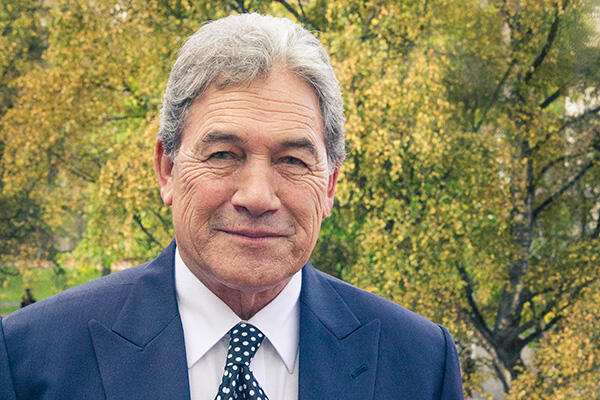
Winston Peters
Critic: So the first thing I want to talk about is the fact that the youth vote is a sector that is untapped almost, because we have such little voter turnout. And I was wondering what sort of policies you would advocate for in order to increase the youth turnout and what you’d bring to the table for the youth of New Zealand. Winston Peters: Well there’s no doubt we’ve got a lot of policies that are pitched up towards, uh, the interests of young people; their place in this country, their future, their education, their employment in the kind of country they want to live in. This is all based on where young people would want to be, wherever they want to live in NZ. So, the question that I think is not so much that, I think it is – why don’t students vote? Exactly, what’s the biggest barrier? And the answer to that question is they’re a bit hedonistic, they think that there’s nothing that’s engaged in sort of what you might call ‘older adults’ as society is of interest to them, that the transient things that they’re currently engaged in is a part of their current learning process, and there’s nothing new in that. That’s been the way for the last sixty years. Young people are not voting or will not take an interest, so that many parties have found you start university branches, and it’s been an extraordinary amount of work to try and keep them alive, and then you find that the, uh, how should I put it, the pass-through rate is just so high. I don’t think that NZ First is able, more than any other political party, to answer that question, and I suppose we’re working on the new technologies that are available, to get to them and see if we can get turnout that way. Yeah, I mean, I know you’ve got a young NZ First faction, um, I don’t think they have a presence in Dunedin anymore. But it will have. Really? Is Curwen getting into that? Well we’re going to all the universities and getting them underway. Well that’s good. Yeah, I’m friends with Beau Murrah, who used to – is there any truth to the rumour that you once, uh, hosted a crate party in his flat? How long ago was that? I dunno, it’s just what I’ve heard. Quite possibly. Quite possibly? Well it could be possible, depends what he says by crate party. Fantastic. Um, so, in terms of issues that students are focused on, it very much has to do with money. Money now, money when we’ve finished our degrees, how much money we’re putting into our degrees, so what sort of policies are you for? Are you for a universal student allowance? The first party ever to talk and promote a universal student allowance was NZ First. Oh really? Imitation is the most sincere form of flattery, but we were the first party to advocate that in this country. When was that? 1996. 1996. Good stuff. I’m going look that up. What about fees? Are you-? Well before we even formed New Zealand First, I was saying that the biggest one-off education equation in the education budget in this country was going to be defaulting student debt. That was what I said way back in the early nineties, and I’m sad to be proven true. Our policy on student debt is to have a range of parts of this country where a student can get serious discounting of their student debt, a range of occupations in this country where they can get serious discounting of student debt, or third, if they can arrange for earlier repayment, at a much faster rate than that they have been prescribed to do, then we will halve that debt. Okay, so kind of re-introducing- On the basis of that we think that so much debt is appearing as an asset on the budget, but it’s a bad debt and will never be paid. So if you can get that paid earlier, you will actually save money for the state, not lose it. Cool. So I’m assuming you don’t support National’s tactic of Student Loan Amendment Bill (No. 3), which specifies that overseas repayments, if they’re not made can mean students can be criminalised? That’s going to bring in, at maximum, fourteen million dollars. Right? You’ve got a multi, multi-billion dollar bad debt, and they’re going to get fourteen million out of it. Uh, it’s only a sort of quantity surveyor approach to politics who’d come up with that solution. I sat on the select committee and opposed the bill all the way, because it is ridiculous. You can do far better with high incentivisation and encouragement than that. But more importantly, the number one reason why there’s bad debt in this country is that we’re running a failed economy in terms of getting students jobs. So they can pay the debt off. That is absolutely one of the biggest issues in that you have this mentality where you go to university and you know, you study, study, study, and you have all this debt, and then you’re left out to dry. What do you do after you graduate? So- Well for many of them, they become an investment that you’ve made for twenty years, in another economy. They go off-shore. Yeah, the ‘Aussie exodus’. Yeah, Australia and wider. UK, elsewhere. So what sort of policies would you propose to ease the transition from student to ‘worker’, I suppose. Well first of all, unlike many other parties, we believe NZ is capable of full employment. We know it’s capable of full employment because the large parts of our past history, we were the only country in the world with full employment. And we could do it again. But what we’ve done, in New Zealand, and it appears in our manifesto, and it also appears in our founding principles, we have used immigration as an excuse for failing to have trained, educated, skilled, and employed our own people first. Now, what you’ve got, you’ve got students coming in now, being offered by this government, on the pretext of export education, that they can work for NZ as well. Where’s the export quality of that education straight away? Our economy is paying for their education, not some other economy. So if they can work here, some other economy is no longer paying for them to be educated here, ours is. Who’s losing out here? Well domestic students are going to be losing out. That’s the blunt consequence of it all. Now a lot of people have got pretty soft heard and the head to match. They will argue that I’m wrong here. But if I was, and I know because I was the Minister that went to China in 1997 to sign off student visas for Chinese. Chinese demanded of me that I promise they all be sent home after education. We sold it as export education. Good for New Zealand. But export education only works if some other economy pays for the education in our country. But it’s not going to do that, so we’re going to stop that. And the second thing we’re going to ensure, by the economic changes we’ve got, that we generate work in New Zealand. Our manufacturing base is falling apart. We’re down from 33 percent of the economy to now 30 percent of the economy. I don’t know how long you’ve lived in this city, but business after business has stopped here. Where’s the manufacturing base here now? You’ve got one freezing works left here. What about, moving away from traditional manufacturing and into new technologies. I know the Greens have talked about 3D printing as a kind of industry we could invest in? What’s your thoughts on- Do you know anything about business? Well, I do. Oh. I see how it is. I’ll tell you how it goes- Ah-ha. You’re pulling that card on me. No, I’m not pulling the card that way! I’m not saying on a personal level, but I’ll tell you how business goes. You’ve got a great idea, you’ve got a great plan, and the first thing you’ve got is debt. To make it work. And the only way you can ever pay the debt off is if you fire this business up and it goes. Now. Government can seriously help you do that, but with respect to the Greens, you can have these bright ideas like a light bulb going off in your head, but where is the business discipline around it? For, in the end, business is about profits. And bright ideas, if they do work, will make you some serious profits, as you know. Especially in some of the new technologies and what have you. But to dream it up as a solution to employment, when I know that if we were to change our dollar and control its level to be dramatically what it should be, that is, it’s probably 28 percent overvalued now. A 28 percent revaluing of our dollar will see significant employment in this country overnight. Because the exporter will have the money. And you’re on an export-dependent province. How’s the exporter doing? Well, he’s up against it, and the dollar’s heading towards 90 cents US. He’s more up against it every day. And more will collapse as a consequence. It’s not easy, but I have watched the Greens policy, but look I am a great admirer of the Scandinavians, and I spent some time there, and in fact I started an embassy there as the Minister for Foreign Affairs cause I knew they could teach us a whole lot. Their idea of the new economy, is exciting in the context of it’s sustainable, it’s innovative, and you know they’ve got some- Nokia started there, they’ve got great industries and great manufacturing. All of their manufacturing products are world first stuff. You can rely on them. Energy efficient. However, the Greens over there are practical. They’re not away with the fairies. The thing about Scandinavia, though, is that they have extremely high taxes. And one of your fifteen principles, correct me if I’m wrong, is that you ultimately want to lower taxes for New Zealanders. So how do you reconcile that? Uh, well I reconcile it by first of all, one in five dollars in NZ is in the Black Market. New Zealand tax evasion in this country is huge. So you think that’s a- That’s why I ran the wine box enquiry way back years ago. These people were ripping the country off not paying any tax at all. So we dealt to that, and I could see, if we deal to that and everybody was paying their fair taxes, we could afford to reduce taxes. But we have the most amazing debate when it comes to taxation. I’ll give you an example. They’re having a big debate in Togo about taxation. Know why? Why? The wage is so low that nobody can even exist. Let’s talk about it. Scandinavia, they might have 60 percent tax, but they’re taking home two and a half times more in their pocket every week. Which one would you rather be? The guy in Togo or in Scandinavia? I know what I’d rather be. Not in a ‘Libertarian’s paradise’, then? No, but see the thing is, we have this huge debate, and I think – hang on a minute, this is a theory that’s all been thoroughly blimin’ – Henry Ford once was in a conference about the carmakers, way back a long time ago in America, and he’s been criticised by all the carmakers for putting his wages up. And they’re saying that you’re deliberately, you know, ruining it all for the rest of us. He said, ‘but you don’t get it. I get more car production out of my wages than you get out of yours. I’m paying less than you for the car.’ So that’s what Scandinavia understands, right. I’m not saying that – it just happens to be an alternative to some of the right wing, neoliberal drivel I keep on hearing. Yep. That we all keep on hearing. Not from me! Okay. Just to change track a little bit, now, your favourite question. I’m a voter. I like New Zealand First. I like Labour. I don’t like National. How can I trust that New Zealand First will truly represent my interests if you won’t disclose who you’re going to get into bed with after the election? Alright. There’s five months to go. Have you heard all the policies yet? Nope, some of them don’t exist. Yeah but they might exist, they might be great or they might be terrible. So you surely want to know that before you make up your mind wouldn’t you? The second thing is, you could spend all your time talking to one party about the outcome and that party not even make it. So you’ve just wasted a whole lot of critical time in the campaign talking to them about something that might not eventuate. What about sort of- The third thing is, in a recent survey, now this is unusual, this actually shocked the political scientists, was, a significant majority of people in this country, including 35 percent of National voters, don’t like pre-election deals. They’re sordid and unsavoury. And I happen to agree with them. See? Three reasons why I’m doing what I’m doing. Very nicely laid out. Like a true politician. We’re the only one’s saying that for goodness sakes. But you don’t wanna… allude to any sort of particular… was there any truth to the idea that you’re the MP going to the Internet Party? There is no truth in that whatsoever. Good, just thought I’d check. A party like New Zealand First is not going to have German running it. Touché. I mean, a German with a criminal record! The raid you spoke about quite a lot in Vote Chat. Um, another thing you said at Vote Chat was, uh, you said journalists are being starved of information, so- No, they’re being starved of resources and funding to do their job properly. Okay- There are some seriously good journalists in this country, but most of them are being starved of resources, time to do their job properly, and that’s a great disappointment. I mean I’d hate to be a journalist in New Zealand, because when you’re onto something it takes time. Now the only way I can do that is stay up until 3 o’clock in the morning. I’m not going to be paid for it anymore. Whereas in the old days they’d be seriously out there, committed to it, in a sort of, what you might call a romantic, glamorous place, not highly paid, but you would seriously have to send off the action as a researcher and journalist. I think those days are sadly gone. So um, I have time now, so could you tell me a secret? What. You know, something saucy for the voters out there? Er, well, um, your voters don’t vote enough, so… Maybe they would! I’m going to drop this bombshell when there’s a huge audience! There will be if you drop one! There possibly will be! And they think ‘why on earth did he drop it down there?’ I’m sure a fair few people read the Critic … Uh, for a surprise, I was talking to Denise the other day, and I said to her, you don’t know this do you, and I laid out what happened in 2005, when it came to coalition talks. And she said ‘I’ve never heard that before’ and I said ‘that’s because I’ve never told anybody but you.’ I was expecting it to be a bit of a scoop. What I said to her was, look, when Helen Clark called up after the election (National called up too), but when Helen called up, and I looked up all the numbers and whathaveyou (on election night you can see the numbers anyway). But I didn’t stop with that, I thought before I go back to her, I’ll go and see Peter Dunne and say ‘Peter, if you want to be part of this, are you in or are you out?’ And of course he was on the out then, but then he would be in. So now I go and see Helen Clark, not with one party, I got two parties. More powerful that I was before, wasn’t I? I seriously got their attention, I walked in and said ‘not just me, the United Party as well. I’m talking power with them.’ Now. Why would you compromise that brilliant chance to get everything that you want by telling people before what you’re going to do. See what I mean? Democracy… transparency… Ah now, you’ve given me the fourth reason I forgot. Democracy is what the people are about, and they’ll decide the election, and that’s why I’m waiting until they speak. A binding referendum. So you say it’s democracy; if I say I’m going to do this, right, so that what you’re saying to the photos ‘I don’t care what you do, it’s all over-rover. We’ve decided the government five months out.’ Now I’m sure you’re pretty upset with that. Now, I have one last question. This, you have to answer. Rule number one. Um, shoot, shag, marry: Jenny Shipley, Helen Clark, Jeanette Fitzsimons. Uh, this is a trick question. Nope. Rule number one of shoot shag marry, you have to answer. Um, there’s no way. Having avoided half your questions in this interview, that I can answer this one, mate. This is the one I want the answer to. This is my scoop! Um… no, I have to admit, I have to admit, there’s nothing that I could possibly answer on that question that’s going to add to my political credibility, my political longevity, or my sense of sanity when I go to bed at night! Okay, we have a parliamentary alternative, where you can reject one – reject them completely, re-elect one, or realign one, so one who you think should go to another party. Which member should go to another party? Yup. Of Helen Clark, Jenny Shipley, Jeanette Fitzsimons. No, Fitzsimons is in the right place, Shipley, well, she’s all over the place, and Helen Clark belonged to the right party. So the only one who could go to another party would be Shipley. The ACT Party. Shipley to ACT? Yup. You heard it here first. Maybe a bit late, but um. Before that story goes South completely. But mind you her turning up there would bring about that result. Just like a certain Brash. Yes. Well that’s unbelievable actually. Did you see his book?! I saw the photos of him regarding his book, which were him with an open shirt. Now that’s an old photograph, that’s a bit nasty for Don, they’ve dug that up from a long time ago. Really? That’s a 2005 photograph. He was photoshopped in a number of ways. It’s sad actually… You know his book, know why they called it Incredible Luck? Why? Because he’s got no talent.
-
News
Issue 9 27/04/2014
Greatest hits / Greatest shits | Issue 09
Greatest HitsThis week’s Greatest Hit goes to my favourite NZ politician/DJ hybrid. No, not Kim Dotcom (whose album ‘Good Times’ spurred an active Facebook campaign to get him to Starters Bar during O-Week), but Laneway alumna Jacinda Ardern. After realising her flight from Wellington to Auckland was cancelled, stranding a number of people at the airport, she picked up the last rental car. Rather than dashing away like Paula Bennett with a poor person’s Easter chocolate, she circled back around and picked up three students. Thanks to Jacinda’s generosity, three more people were able to make it home for the holidays. I can only assume the lucky passengers were treated to a seven hour playlist of DJ Ardern’s favourite tracks. Greatest ShitsIf there’s one MP that’s good for banter, it’s Clare Curran. The Dunedin South resident constantly provides me with glorious, laugh-out-loud Tweets, and I live for the day when she’ll let me interview her. That is, so long as she doesn’t pash me. On a recent episode of 7Days, Clare Curran ended her Yes Minister segment by planting a kiss on the lips of comedian Tim Batt. While I admire her forwardness and don’t deny that MPs should be able to find love in whatever hopeless place they deem fit, it’s not exactly what I like to see on national television. At least she’s not afraid to truly engage with voters.
-
News
Issue 9 27/04/2014
Politweets | Issue 09
Telling it how it is. The secret to her kiss (true). We're so sorry. Yeah Josh.
-
News
 Issue 9 27/04/2014
Critic tackles election year | Issue 9
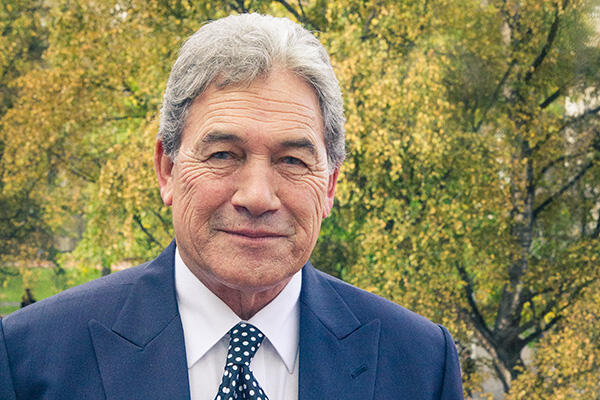
Before I even began my interview with the mighty Winston Peters he was on great form, spotting the Photoshopped Critic image of Peter Dunne smoking a fat joint and determining, after a lengthy pause, “it’s a fake.” Say what you will about Winston, he’s one of the most famous politicians we’ve ever had, and he is supremely slippery. We chatted for about 20 minutes – mostly about student issues, but also drawing in some ideas I’ve brought up in previous write-ups. What follows below is an abridged version of the interview, but the full transcript is available at critic.co.nz/winston. So the first thing I want to talk about is the fact that the youth vote is a sector that is almost untapped, because we have such little voter turnout. And I was wondering what sort of policies you would advocate for in order to increase the youth turnout and what you’d bring to the table for the youth of New Zealand? Well, there’s no doubt we’ve got a lot of policies that are pitched towards the interests of young people; their place in this country, their future, their education, their employment in the kind of country they want to live in. This is all based on where young people would want to be, wherever they want to live in NZ. So, the question, I think, is not so much that, I think it is – why don’t students vote? Exactly, what’s the biggest barrier? And the answer to that question is they’re a bit hedonistic, they think that there’s nothing … of interest to them, that the transient things that they’re currently engaged in is a part of their current learning process, and there’s nothing new in that. That’s been the way for the last 60 years. Young people are not voting or will not take an interest, so that many parties have found you start university branches, and it’s been an extraordinary amount of work to try and keep them alive, and then you find that the, uh, how should I put it, the pass-through rate is just so high. I don’t think that NZ First is able, more than any other political party, to answer that question, and I suppose we’re working on the new technologies that are available, to get to them and see if we can get turnout that way. […] Fantastic. So, in terms of issues that students are focused on, it very much has to do with money. Money now, money when we’ve finished our degrees, how much money we’re putting into our degrees; so what sort of policies are you for? Are you for a universal student allowance? The first party ever to talk about and promote a universal student allowance was NZ First. Oh, really? Imitation is the most sincere form of flattery, but we were the first party to advocate that in this country. When was that? 1996. 1996. Good stuff. I’m going to look that up. What about fees? Are you – ? Well before we even formed New Zealand First, I was saying that the biggest one-off education equation in the education budget in this country was going to be defaulting student debt. That was what I said way back in the early nineties, and I’m sad to be proven true. Our policy on student debt is to have a range of parts of this country where a student can get serious discounting of their student debt, a range of occupations in this country where they can get serious discounting of student debt, or third, if they can arrange for earlier repayment, at a much faster rate than that they have been prescribed to do, then we will halve that debt. […] Cool. So I’m assuming you don’t support National’s tactic of Student Loan Amendment Bill (No. 3), which specifies that overseas repayments, if they’re not made, can mean students can be criminalised? That’s going to bring in, at maximum, fourteen million dollars. Right? You’ve got a multi, multi-billion dollar bad debt, and they’re going to get fourteen million out of it. Uh, it’s only a sort of quantity surveyor approach to politics who’d come up with that solution. I sat on the select committee and opposed the bill all the way, because it is ridiculous. [...] Okay. Just to change tack a little bit, now, your favourite question. [Let’s say] I’m a voter. I like New Zealand First. I like Labour. I don’t like National. How can I trust that New Zealand First will truly represent my interests if you won’t disclose who you’re going to get into bed with after the election? Alright. There’s five months to go. Have you heard all the policies yet? Nope, some of them, uh, don’t exist. Yeah, but they might exist, they might be great or they might be terrible. So you surely want to know that before you make up your mind, wouldn’t you? The second thing is, you could spend all your time talking to one party about the outcome and that party not even make it. So you’ve just wasted a whole lot of critical time in the campaign talking to them about something that might not eventuate. The third thing is, in a recent survey, now this is unusual, this actually shocked the political scientists, was, a significant majority of people in this country, including 35 per cent of National voters, don’t like pre-election deals. They’re sordid and unsavoury. And I happen to agree with them. See? Three reasons why I’m doing what I’m doing. But you don’t wanna … allude to any sort of particular … was there any truth to the idea that you’re the MP going to the Internet Party? There is no truth in that whatsoever ... A party like New Zealand First is not going to have a German running it. I mean, a German with a criminal record! The raid you spoke about quite a lot in Vote Chat. Um, another thing you said at Vote Chat was, uh, you said journalists are being starved of information, so – No, they’re being starved of resources and funding to do their job properly. […] There are some seriously good journalists in this country, but most of them are being starved of resources, time to do their job properly, and that’s a great disappointment. […] So, um, I have time now, so could you tell me a secret? Er, well, um, your voters don’t vote enough, so … I’m going to drop this bombshell when there’s a huge audience! There will be if you drop one! There possibly will be! And they’ll think “why on earth did he drop it down there?” I’m sure a fair few people read Critic … Uh, for a surprise, […] look, when Helen Clark called up after the [2005] election (National called up too), but when Helen called up, and I looked up all the numbers and what have you (on election night you can see the numbers anyway). But I didn’t stop with that, I thought before I go back to her, I’ll go and see Peter Dunne and say, “Peter, if you want to be part of this, are you in or are you out?” And, of course, he was on the out then, but then he would be in. So now I go and see Helen Clark, not with one party, I’ve got two parties. More powerful than I was before, wasn’t I? I seriously got their attention, I walked in and said “not just me, the United Party as well. I’m taking power with them.” Now. Why would you compromise that brilliant chance to get everything that you want by telling people before what you’re going to do? See what I mean? Democracy… transparency… Ah, now you’ve given me the fourth reason I forgot. Democracy is what the people are about, and they’ll decide the election, and that’s why I’m waiting until they speak. So you say it’s democracy; if I say I’m going to do this, right, so that what you’re saying to the press is “I don’t care what you do, it’s all over-rover. We’ve decided the government five months out.” Now, I’m sure you’re pretty upset with that. Now, I have one last question. Shoot, shag, marry: Jenny Shipley, Helen Clark, Jeanette Fitzsimons. Um, there’s no way, having avoided half your questions in this interview, that I can answer this one! […] Um … no, I have to admit, there’s nothing that I could possibly answer on that question that’s going to add to my political credibility, my political longevity, or my sense of sanity when I go to bed at night! Okay, we have a parliamentary alternative, where you can reject one – reject them completely, re-elect one, or realign one, so one who you think should go to another party. [...] No, Fitzsimons is in the right place, Shipley, well, she’s all over the place, and Helen Clark belonged to the right party. So the only one who could go to another party would be Shipley. The ACT Party. You heard it here first. Maybe a bit late, but, um ... Before that story goes South completely. But, mind you, her turning up there would bring about that result. Just like a certain Brash. Yes. Well that’s unbelievable, actually. Did you see his book?! I saw the photos of him regarding his book, which were him with an open shirt ... He was photoshopped in a number of ways. It’s sad actually […] You know his book, know why they called it Incredible Luck? Because he’s got no talent.
-
News
Issue 8 13/04/2014
Politweets | Issue 08
#mediabias If I didn't know better, I'd question whether John was using the synthetic drugs himself. What else is on your bucket list? You and me both One of many in a series of Bridges Bashing tweets from Patrick I really want to know which MP
-
News
Issue 8 13/04/2014
Greatest hits / Greatest shits | Issue 08
Greatest hitsOn Tuesday, Tau Henare, National MP, announced that he will retire at this year’s election. This is not the greatest hit; rather it’s Tau himself, who has a twenty-year political career that can be characterised by witty retorts and an “I will say whatever I want” mentality. Starting out in NZ First when he won the Northern Māori electorate, he broke off with four other members in 1998 to form the Mauri Pacific Party. That was short lived, however, as Mauri Pacific did not meet the five per cent threshold required to secure a place. From there, Tau joined the National Party, and was re-elected into Parliament in 2005. Tau is choosing now to retire following the revelation that he’ll be pushed much further down the National Party list, saying he “deserves better from the National Party.” Tau is also well known for a brawl with Trevor Mallard, commenting that he “should have hit him first.” The two MPs are fairly chummy now, bantering back and forth on Twitter. Tau’s Twitter name is West Side Tory, a conservative take on a beloved musical that has long put him in my Twitter good books. Greatest shitsIt was revealed on Tuesday that the Government is allowing the Department of Conservation’s biggest forest park to be opened for gas and oil exploration. Victoria Park is one step down from a National Park, which means it is not as protected by regulations. This is bad enough, as NZ should be valuing its natural landscape for more than perpetuating the “drill baby drill” ideology. The Greatest Shit title, however, goes to Simon Bridges. The Energy and Resources Minister signed off on the exploration, but when asked by a reporter “have you heard of the Victoria Forest Park?” he responded, “I haven’t, no.” Good one, Simon, you don’t even know the park you’ve agreed to allow drilling in. Notable mention: Hekia Parata, once again suggesting she picks her initiatives out of a hat, has announced the merger of two Christchurch schools, Phillipstown and Woolton. This means the former will be shut down. It also means she completely ignored what the local community had to say.


