
Maeve Jones
Contributor
Articles by Maeve Jones
5 articles found. Displaying page 1 of 1.
-
Culture
 Issue 25 23/09/2012
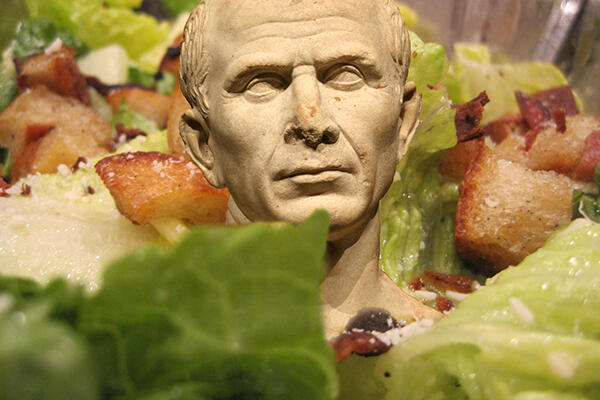
Chicken Caesar Salad
Caesar salad often emphasises the heavy, creamy dressing, which is more often than not over-processed and ruins a perfectly good salad. For me it is all about the croutons. Croutons are a delicious and convenient way to use bread that is past its prime. Most cultures in the world have some creative use for stale bread – in Spain it’s blended with ripe tomatoes to make Gazpacho, in France it’s soaked in an egg mixture and fried to make the world-famous French toast. In England they make bread and butter pudding, and in New York they feed it to the birds in Central Park. Here in little old Dunedin I like to chop it up, smother it in olive oil, and fry it in fragrant herbs. These rustic croutons are then combined with crunchy, lightly dressed lettuce, avocado, and coriander, creating a scrumptious twist on the classic Caesar salad. This recipe also adds chicken to make a satisfying dinner, and uses an adaptation of Jamie Oliver’s lighter Caesar dressing to keep it healthy and fresh. Ingredients: Salad:400g chicken breast 2 eggs 1 iceberg lettuce A handful of coriander 1 avocado 100g shaved parmesan Croutons:Half a loaf of bread 3 tbs olive oil 1 tbs dried mixed herbs Dressing: 1/3 cup plain yoghurt 2 tbs olive oil 2 tsp Worchester sauce 1 tbs grated parmesan 1 small garlic clove, peeled and minced Juice of half a lemon Salt and pepper Method01 | Brown the chicken breasts in a hot pan, then place in an oven dish and bake until cooked through at 200°C (about 20 minutes). 02 | While the chicken is cooking, bring a pot of water to the boil and cook the eggs for four minutes. This should leave the yolks slightly runny, so they can help to dress the salad. Set aside to cool. 03 | Cut the bread into pieces of a desired size. I do mine quite small, about 1cm-wide squares. Heat a tablespoon of the oil in a large pan and add the bread. Cover evenly with the remaining oil and the herbs. Turn these consistently in the pan (to avoid burning) for about five minutes, or until they are crispy and golden. 04 | Wash and dry the lettuce and tear it into manageable pieces. 05 | Whisk all the ingredients for the dressing with a fork until well combined. Pour the dressing into a bowl with the lettuce and toss until evenly covered. 06 | Chop the coriander and avocado, and add to the bowl. 07 | Shred the chicken with a knife and fork, then add this to the salad with the croutons. 08 | Peel the eggs, then cut them into quarters over the salad in case the yolks spill. Sprinkle over the shaved Parmesan. Toss and serve. Feeds four scarfies - $16
-
Culture
 Issue 20 12/08/2012
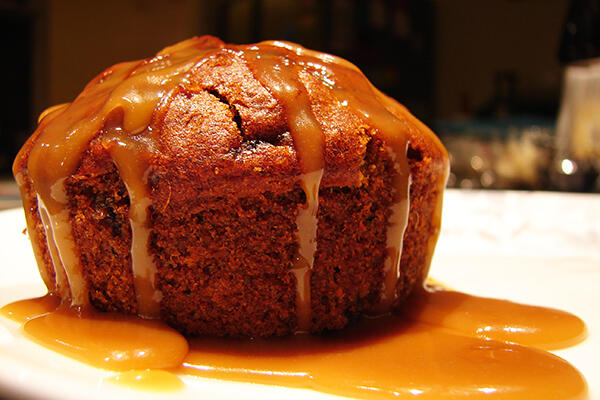
Sticky Date Pudding with Caramel Sauce
After hearing earlier this week about one Dunedin flat’s dessert of stingray, maple syrup, and ice cream, I thought it might be time to let up on the culinary innovation and return to the classics. Warm, hearty sticky date pudding just cannot be beaten on a cold, wintry Dunedin night. To find a recipe that does this classic justice, again I can’t go past the cookbook from Hawkes Bay restaurant Pipi. I have adapted their crowd-pleasing recipe for you below. Ingredients200g dates 100g prunes 300ml water 1 tsp baking soda 75g butter ¾ cup brown sugar 2 eggs 1 cup flour 3 ½ tsp baking powder A handful of chocolate chips (optional) 2 cups white sugar ½ cup water 75g butter 150ml cream MethodFor the puddings:01 | At Pipi they bake individual puddings in baking paper cases. This allows the mixture to spill over the tops of the muffin tin, giving you a much healthier serving. Begin by preheating the oven to 180°C and lining a muffin tray with pieces of baking paper to form the cases. You should get 6 – 8 puddings out of this mixture. 02 | Put the dates and prunes in a pot with the water and bring to the boil. Take off the heat and add the baking soda. Whiz this mixture in the most powerful mixing device you have in the flat, preferably a food processor. But don’t worry – it will still be delicious even if you don’t manage to totally blend the mixture. 03 | Cream the butter and sugar until light and fluffy, then add the eggs one at a time and beat in thoroughly. 04 | Mix the flour and baking powder in a separate bowl, and (if using) add the chocolate. 05 | Combine the sugar and butter with the flour, then slowly mix in the date mixture. 06 | Spoon the batter into the prepared baking paper casings and bake for 30 minutes, or until the outside appears done and the inside is slightly squishy and still deliciously moist. For the sauce:01 | Caramel sauce can be hard to get exactly right, but do persist. The sugar content is so alarmingly high that it is bound to be scrumptious no matter how badly you screw it up. First, mix the sugar and the water in a pot on a low heat. When it is combined, turn up the temperature and let it come to the boil. When it begins to boil, cover the pot for 3 minutes then let it continue gently boiling until it turns a deep golden colour. Although tempting, apparently it helps not to stir the caramel during this process, as there is a risk that the sugar will crystallise. 02 | Remove from the heat and whisk in the butter and the cream. 03 | Serve the puddings with a good dollop of the sauce and ice cream, warmed cream, or yoghurt, depending on your preference.
-
Culture
 Issue 13 27/05/2012
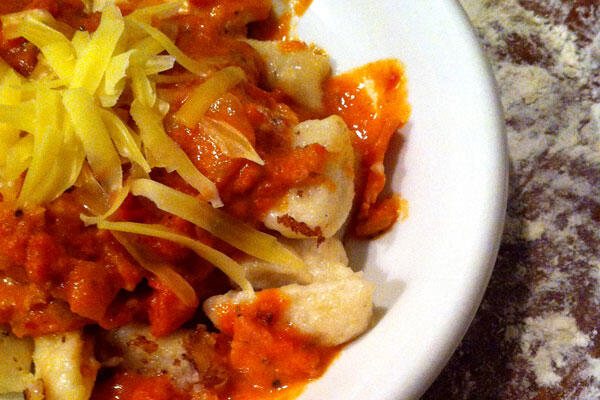
Gnocchi Al Nonno
Although relatively labour intensive, homemade potato gnocchi is incredibly cheap, very rewarding and shows that with a little time you can easily make restaurant quality meals on a student budget. “Al nonno” means served in a classic Italian tomato sauce “just like grandpa used to make.” It is slightly spicy and deliciously creamy. The gnocchi recipe is adapted from Alexandra Tylee’s beautiful new cookbook from the Havelock North restaurant Pipi, which serves some of the best gnocchi in the country. Ingredients:For the gnocchi: 1 kg potatoes 1 ¾ cups of flour Pinch of salt 1 egg, lightly beaten ½ tbs olive oil for pan-frying For the sauce: ½ tbs vegetable oil 1 onion, peeled and diced 2 cloves of garlic, peeled and crushed ½ tsp chilli (or to taste) 1 tsp dried mixed herbs 500g bacon, cut into strips 2 cans crushed tomatoes ¼ cup vodka (the alcohol will cook off but it brings out flavours in the tomatoes that would not otherwise be released) A good squirt of tomato sauce 1 cup of cream Salt and pepper to taste Grated cheese Method01 | Boil the potatoes until tender, drain then mash until there are virtually no lumps (you can use a food processor for this if you like). 02 | When the mashed potato has cooled, tip it out onto a clean, lightly floured surface and knead in the flour and the salt. 03 | When combined, make a well in the middle of the dough and pour in the egg. Knead until forms a light sticky dough, but try not to overwork it. 04 | Cut the dough in half and roll each half into a tubular shape about 2cm high and 3 cm wide. Cut the tube into pieces of about 2cm and place on a tray ready for cooking. 05 | Bring a large pot of water to the boil. When the water is gently boiling drop in the gnocchi, about a dozen at a time. When they are ready (this will happen very quickly) they will float to the surface. Take them out immediately with a slotted spoon. Once cooked they can be refrigerated overnight or frozen for a later date. 06 | Now make your sauce: add the oil to a large pan and brown the onions and garlic with the chilli and herbs for approximately 5 minutes. 07 | Add the bacon and cook until evenly browned. 08 | Add the tomatoes, vodka and tomato sauce and stir well. Bring to the boil and leave to simmer for about 10 minutes before adding the cream and simmering for a few more minutes. 09 | Season with salt and pepper and set aside. 10 | Add the olive oil to a clean pan and lightly fry the gnocchi in batches until lightly coloured. 11 | Distribute the gnocchi between 6 plates. Add a good ladle of the sauce, a sprinkling of cheese and pour yourself a glass of wine for your efforts! – Maeve Jones
-
Culture
 Issue 8 22/04/2012
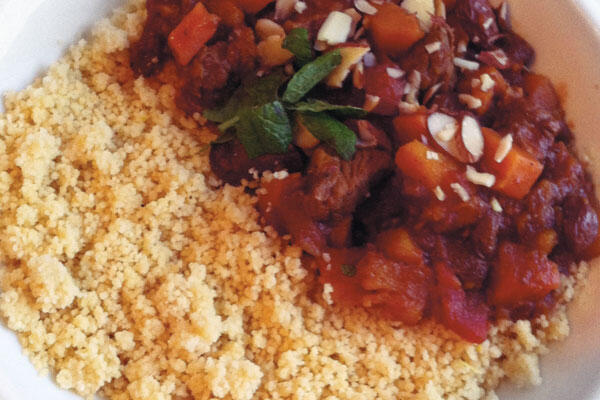
Beef Tagine with Couscous
This week we have a slightly different but incredibly delicious way to cook your cheaper cuts of meat, sure to beat all other beef stews. Tagine is a North African dish where meat is cooked slowly in various spices until it is fragrant and tender, usually in the clay pot that goes by the same name. However, it can also be made in any vessel that locks in steam (thereby retaining the moisture in the meat). A slow cooker, which seems to have become a regular feature of scarfie flats, is perfect. Traditionally tagine would be made with a spice mix called ras-al hanout, which means “top of the shop” and is a mixture of the spice merchant’s best spices. Because this always varies a little, use the spices listed below as a guide, but feel free to experiment with a little “ras-al flat”. Then sit back and relax while the cooker does all the work and the house is filled with mouth-watering aromas. Maeve Jones IngredientsFor the tagine:1 tablespoon of olive oil1 large onion, diced 3 cloves of garlic, chopped600g chuck steak, cut into 1cm cubes 1 cup of liquid beef stock1 tablespoon of honey2 teaspoons each of cumin, coriander powder, ginger, turmeric and cinnamon 1 can of chopped tomatoes 2 carrots A wedge of pumpkin ½ cup of raisinsSalt and pepper Fresh herbs such as mint or coriander and sliced almonds to garnish (optional, though highly recommended as they make all the difference).For the couscous:500g packet couscous 3 cups of boiling waterEither the zest of 1 lemon or 1 chicken stock cube MethodPreheat a slow cooker to high. Add half of the oil to a pan over a medium heat. Fry the onions and garlic until they become translucent, then add them to the cooker. Add the rest of the oil to the pan. Brown the beef in sections and add it to the cooker as it’s ready. Mix the beef stock with the honey and the spices. Pour into the cooker with the can of tomatoes. Finely chop the pumpkin and the carrots and add to the cooker with the raisins. Season and stir the mixture before placing the lid on and leaving on high for 8 hours.Prepare the couscous about 15 minutes before you wish to serve the dish. Pour the boiling water into a bowl with your lemon zest or stock cube. If using stock, make sure it is well dissolved in the water. Stir in the couscous, cover and set aside for 10 minutes. Fluff with a fork a little before serving with a ladle full of the tagine and garnish with mint or coriander, and almonds.
-
Culture
 Issue 5 25/03/2012
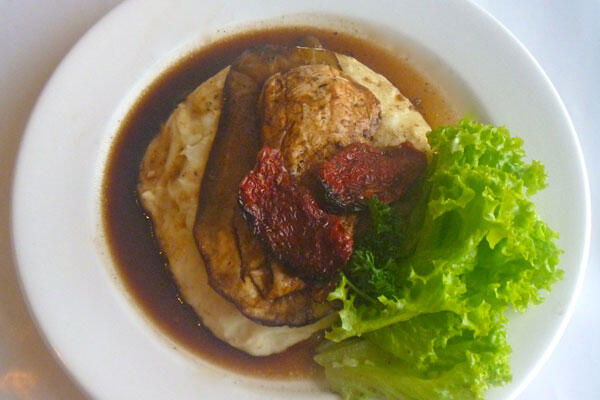
Balsamic and Sun-dried Tomato Roast Chicken
Unfortunately, autumn is technically upon us. However there are still many reasons to celebrate; most important among these is that we still have a few weeks left to revel in the glories of summer produce. Fifty-cent corn can still be skimmed off the cob to transform any salad. Seconds tomatoes can be preserved to create a relish that will make any late-night toastie undoubtedly memorable the next day. Broccoli and courgettes can still be purchased in abundance for loose change, as can silverbeet, which can be boiled down and stuffed into pastry or blended with cream and garlic to create a mouthwatering pasta sauce. The benefits of eating seasonally go without saying. Vegetables will be cheaper and more vibrant, and your cooking abilities will rapidly improve after trying out new recipes using different ingredients. Today we have a recipe using my favourite summer ingredient: Eggplant, or “The King of Vegetables” as it is known in its native India. The King should be lingering on the shelves at affordable prices until April and is surprisingly versatile. This dish has even converted many of my previously eggplant-sceptical flatmates. Usually eggplant is prepared by sprinkling with salt and laying to rest before rinsing and cooking. However the makeshift sauce in this recipe means you can take the vegetable as is and go for it! Ingredients1 medium sized eggplant 600g chicken breastAbout 12 sundried tomatoes and ¼ cup of oil from the jar (Homebrand have $5 jars)1/2 cup balsamic vinegar (Pam’s is cost-effective)1 heaped tsp brown sugar Thinly slice the eggplant lengthways and cover the bottom of a ceramic or glass baking dish with the slices. Don’t worry about peeling it as the skin is thin enough to be edible once cooked.Thin the chicken breasts so that there are roughly six pieces and lay them on top of the eggplant.Scatter the sundried tomatoes around the chicken.Spoon over the oil from the jar of tomatoes, leaving enough to cover any left in the jar to keep them moist. (Top up with olive oil to make up 1/2 cup if necessary.) Mix this with the balsamic vinegar and brown sugar. Pour this mixture evenly over the chicken and eggplant.Bake in a preheated oven at 180°C for approximately 25 minutes. This cooks surprisingly quickly!Serve with creamy mashed kumara or potato and green salad. It will cost you just over $20 to buy all the ingredients from scratch for this dish, feeding six and leaving you stocked up to make it again and again. Maeve Jones


