Money
7 articles found. Displaying page 1 of 1.
-
News
 Issue 14 11/07/2026
EXPLAINER: University Publishes Ethical Investment Policy
On Friday July 3rd, the University published their new Ethical Investment Policy. This followed the acceptance of the findings of the Working Group on Institutional Neutrality. Those findings included a recommendation to develop and adopt an ethical investment policy.
-
News
 Issue 12 17/05/2026
International Students Report Insurance Delays
International exchange students are a staple of the University of Otago’s community. However, it’s easy to forget to question some of the barriers they may face in getting here. One such barrier is health and travel insurance, which is a prerequisite for international students. While the University of Otago is aiming at making the insurance-related bureaucracy as seamless as possible, Critic Te Ārohi has heard reports of struggles within the system.
-
Columns
 Issue 9 26/04/2024
Debatable: Should students prioritise saving?
Debatable is a column written by the Otago University Debating Society. The Debating Society welcomes new members and meets at the Business School every Tuesday at 6pm.
-
News
 Issue 16 24/07/2023
Student Scammed Out of Life Savings
Third-year Law student Cassie* has warned others to watch out for online phishing scams after scammers scooped $17k out of her bank account - her life savings. “They’re the scum of the Earth in my eyes,” she told Critic Te Ārohi, despite her friend’s condolences that it was “nice of them” to leave some money in her rent account. “Karma will get them.” Around a month ago, Cassie received a text from a New Zealand number telling her to check her Inland Revenue account for an update about a tax refund. Having been expecting a tax refund of the exact amount it stated, she clicked the link taking her to what appeared to be the IRD website. After logging in, she was sent to what seemed to the unsuspecting eye to be the Kiwibank website. It was only after she entered her access number and password that she thought something seemed off. “It started to take ages to load and I was like, ‘Wait, this seems really strange,’” said Cassie. “And I just got a really bad gut feeling about it.” She immediately checked her bank account and, sure enough, it had been drained of $17k. “I just had a panic attack. Like, what else can you do?” The money stolen was all of her savings from the past ten years, part of which she has earned through working three part-time jobs to travel to Europe next year. “It was a pretty humbling experience,” she said. “That’s ten years of savings. It took ten seconds to lose.” Luckily, the bank was able to hold on to some of her funds on their way out of her account since she caught it so quickly, though they weren’t able to tell her how much just yet. Like most of us are these days, Cassie’s used to dodging scams. “Everyone gets those kinds of texts all the time,” she said, such as from BNZ (even though you have an ASB account) or NZ Post saying you’ve missed a delivery (even though you’re too broke to buy anything). While she can normally tell, Cassie said that this scam was so well done that they not only knew the exact amount of money she was expecting from IRD, but the texts also came from numbers she’d previously gotten legit security codes from. It was also “early in the morning,” she said, which didn’t help. The most important thing for her was to warn others to tread carefully. Other victims of scams might be too embarrassed to say anything, she said, since “you just feel so stupid”, but she wondered what would have happened if she had been in a worse off position. “I’m lucky that I have my parents to support me. I’m not in a position where this is gonna end my life,” she said, “but I thought, imagine if I was like a single mum with three kids.” Earlier this year, RNZ reported that kiwis lost a record $20 million to scammers last year alone as cyber-criminals are allegedly becoming “more sophisticated”. A top tip from Netsafe on how to avoid scams - regardless of the time of day and state of brain function - is not to click on links even if it looks like it’s from a real organisation. Emails from Waka Kotahi, for instance, have recently removed clickable links “to help protect you from scams”. But don’t worry, most of your overdrafted accounts probably aren’t the target. *Name changed.
-
News
 Issue 20 19/08/2022
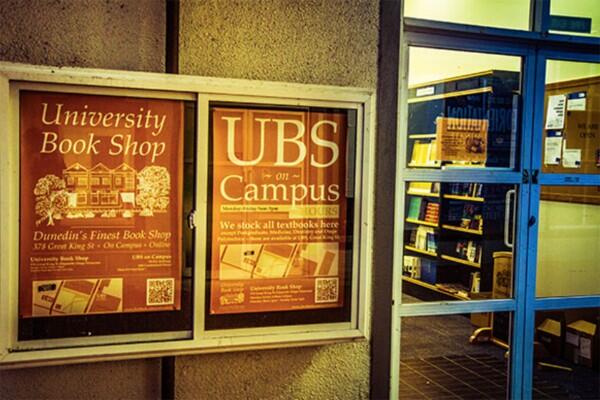
Sponsored Money Management Book Given Away By UBS
Full disclosure: Denzel is a member of Simplicity, who funded and sponsored Money Made Simple.
-
Features
 Issue 1 27/02/2022
What They Don't Teach You About Saving Money in a Flat
With each new year at Uni comes a new crop of students, all trying to navigate the potentially treacherous world of flatting for the first time. Flatting is expensive, as my grandchildren always tell me as they beg for handouts. As a third-generational stock broker on the NZX, I feel it is my responsibility to share with Critic Te Arohi this advice, who have in turn shared it with you. Consider it an act of service, from a humble multi-millionaire like myself. While we all know the common tips like shortening our showers and not paying your parking tickets, there is actually a whole array of simple tips that nobody talks about. Critic has compiled a list below that is sure to help both the flatting newcomer and veteran alike.
-
News
 Issue 10 09/05/2021
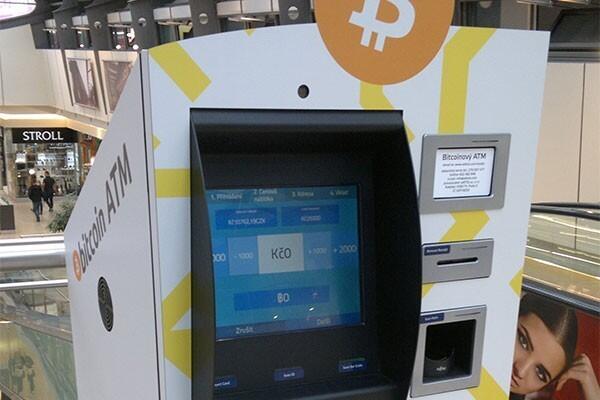
Consequences of Bitcoin Debated
You can buy a Tesla with it, and you can evade the feds with it, but recent reports from Cambridge University show that bitcoin mining consumes more power than the entire country Argentina, and accounts for nearly 1% of global power consumption. Actual, physical mining accounts for 4–7% of power consumption.


