Iwi
5 articles found. Displaying page 1 of 1.
-
Culture
 Issue 17 31/07/2022
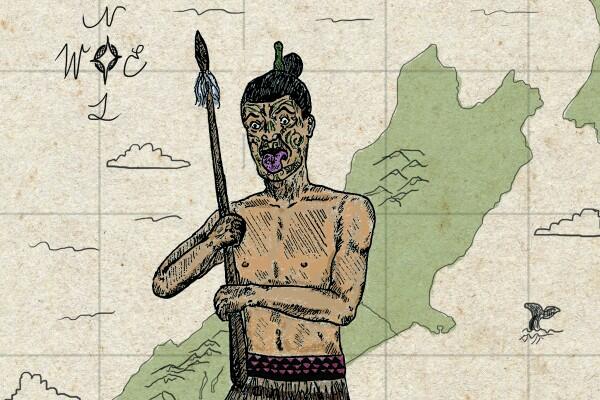
How Reo Changes with Region
Te reo Māori is on the rise. Well actually, it has been for over forty years.
-
News
 Issue 14 08/07/2022
Heaps of West Coast Land to be Reclassified
The Department of Conservation (DoC) is set to reclassify 600,000 hectares of protected “stewardship” land on the West Coast – the size of over 3 Rakiura (Stewart Islands). DoC says that this will provide stronger protections for its natural and historic features, but some worry that this could affect future use of the land, for both recreational and conservation purposes.
-
Culture
 Issue 22 12/09/2021
Iwi Dialects: Because Te Reo Isn’t the Same Everywhere
Growing up in Aotearoa, chances are you’ve learned a bit of te reo here and there. While you might think there is a one-size-fits all approach, that’s not the case. All across Aotearoa, different iwi in different regions each have their own individual dialects of te reo. Listed below are detailed descriptions of some of the individual dialects, as well as some examples for you to practice, depending on what region or area you call home.
-
Culture
 Issue 22 12/09/2021
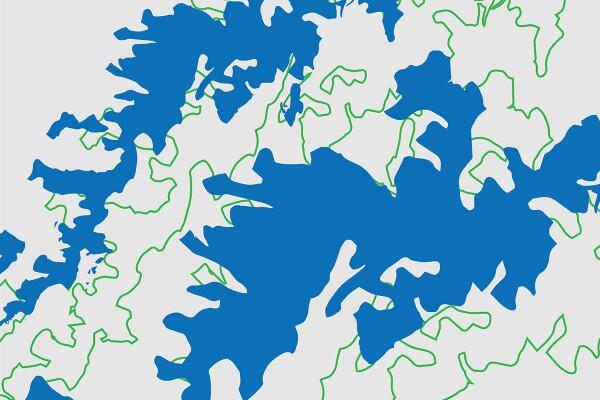
A Brief History of Ngāi Tahu: Things you should probably know about the land you’re on
If you’ve come to study at Otago University from up North, picked fruit in the sweltering heat of Central Otago, gone skiing on the slopes in Wānaka, or gone stargazing at Lake Tekapo, it’s important for you to know about Ngāi Tahu. Ngāi Tahu, also known as Kāi Tahu, is the iwi which makes up a majority of Te Waipounamu (the South Island).
-
News
 Issue 17 31/07/2016
Plea for Policy: Why the government should devolve social services to iwi
The 21st century so far has offered some significant ebbs in New Zealand race relations. If one were to ask a New Zealand politics student what the major blows for bi-culturalism were in the last 16 years you would likely receive a list of the following; the passing of the Foreshore and Seabed Act 2004, the “iwi/kiwi” slogan in National’s 2005 election campaign and perhaps more recently, Maori dissatisfaction with the signing of Trans Pacific Partnership Agreement. The general outlook of Maori-Crown relations in this century is understandably bleak. However, a polar-opposite list is equally available to anyone willing to see it; the completion of Treaty settlements en masse, the passing of the Te Urewara Act 2014 and the creation of the Maori Party in the aftermath of the foreshore and seabed debate. Maori rights have always been a hot-blooded issue in the eyes of your average New Zealander. It’s hard to gauge the public sentiment towards Maori rights at any one given time. The public attitude prior to and during the 2005 election is easily classed as resentful (uniquely exploited by liberal-ultra Don Brash and Co.). Whether this matters politically or not is contentious, but in the past political parties have seen negative public perception as the main impediment in addressing Maori rights.


