Dunedin Symphony Orchestra
7 articles found. Displaying page 1 of 1.
-
Culture
 Issue 18 06/08/2017
Italian Inspirations Review: Taking Dad to the DSO
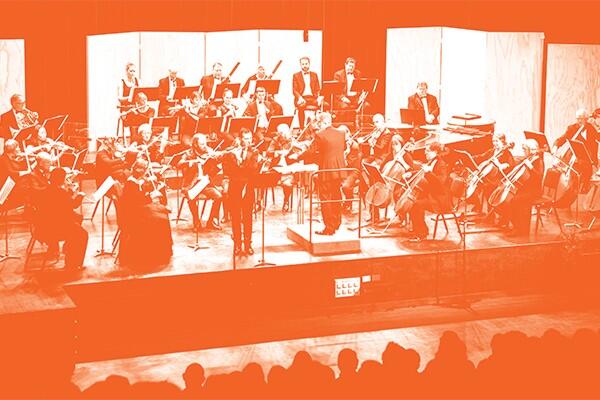
Sadly, it’s always a struggle to find somebody to claim the second ticket of my double DSO pass. My friend pool of Western Art Music fans (the “WAM-fam”) is on the light side, and is significantly diminished once you remove those who are members of the orchestra, so have no need for a ticket in the audience. After messaging five different people (including a fellow classmate who I’ve shared approximately 25 words with over two years), all of whom had other commitments (mostly Netflix related), I felt defeated. Dad laughed and made some comment about me not being able to get a date. So that made me think, why not take a stroll down memory lane, back to the days of father daughter movie dates? Except, this time, to the orchestra. While my father’s musical taste is diverse (he’s played in both Rock and Brass bands), he certainly isn’t an orchestral music fan. Of the few concerts I’ve taken him to, the recurring comment is always, “Orchestras are nowhere near as professional as brass bands, real musicians don’t need to tune on stage,” so I wasn’t sure how the outing would go.
-
Culture
 Issue 14 09/07/2017
Sibelius & Prokofiev
Conductor: Marc Taddei Soloist: Ilya Gringolts
-
Culture
 Issue 12 21/05/2017
Basically Baroque
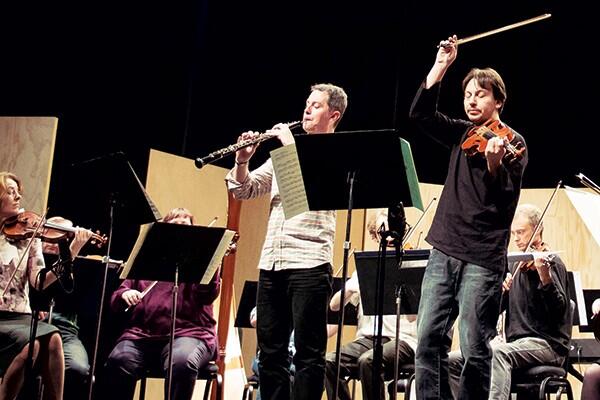
Kicking off the first of the 2017 Matinee series on the 29 April, Dunedin Symphony Orchestra’s Basically Baroque concert was certainly a hit. So often it takes an orchestra a while to settle into Bach, but the Concerto for Violin and Oboe was precise and enthralling right from the get-go. Featuring the virtuosity of New Zealand Symphony Orchestra’s Principal Oboeist, Robert Orr, and Tasmanian based conductor and violinist, Daniel Kossov, the work was certainly impressive, particularly given Kossov was conducting the orchestra from the violin. Respighi’s The Birds was a fascinating piece of music in itself, as the twentieth century composer incorporates bird song into a seventeenth century inspired setting. The high flutterings, represented through the first violins, were particularly effective, and the skill of these players is to be commended. Orr returned to the stage for Bach’s Concerto for Oboe D’Amore, which was equally as convincing as the double concerto. The concert finished with Mozart’s Symphony No. 41, Jupiter, of which the fourth movement is perhaps one of the most extraordinary movements ever written. Despite being at the end of the concert, the work maintained its energy, and finished the concert at the same high standard that it started.
-
Culture
Issue 8 23/04/2017
Totus Tuus —Gorecki, The Armed Man —Karl Jenkins
The Dunedin City Choir alongside the Dunedin Symphony Orchestra gave a stunning performance of Gorecki’s Totus Tuus and Karl Jenkins’s The Armed Man, on Saturday 1st April, earning themselves a standing ovation.
-
Culture
 Issue 4 19/03/2017
Mozart at the Monkey Bar...?
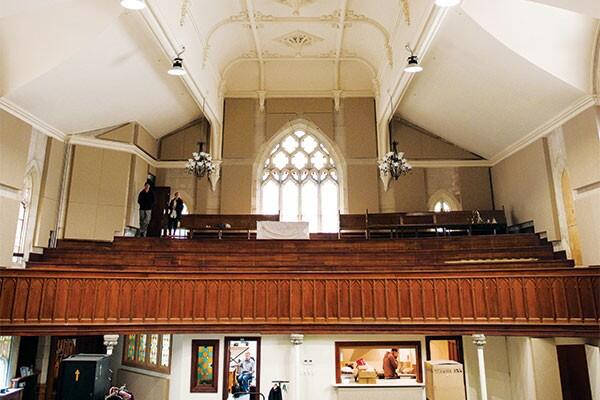
The freshly re-carpeted floors, brand new acoustic panelling, and music stands neatly aligned across the stage are certainly a dramatic change to the décor of the recently refurbished Monkey Bar, and new home of the Dunedin Symphony Orchestra. No longer will thumping bass and drunken laughter be heard echoing through the red brick walls. Instead, the rehearsing of Brahms, Dvorak, Prokofiev and more from the exciting program the DSO have lined up for the year, including the work of some iconic Dunedin musicians. I was fortunate enough to meet with the DSO’s Marketing and Publicity Officer, Pieter Du Plessis, and General Manager, Philippa Harris, to discuss the plans for the orchestra this year, the program, and the role of the orchestra in Dunedin.
-
Culture
 Issue 26 08/10/2016
Dunedin Symphony Orchestra
When an audience with a mean age of seventy energetically jump out of their seats in enthusiastic applause at the end of a work, you know it’s been a good performance. Associate Professor of Music, Anthony Ritchie’s composition Gallipoli to the Somme traces the journey of Dunedinite Alexander Aitken through his experiences in World War I. Ritchie weaves together texts from a variety of sources including letters, chants, poems and speeches linked to New Zealanders, Britons, Germans and Turks, making a striking humanist statement about ordinary peoples’ experience of war. Aitken, an accomplished violinist, took his violin with him to war, and Ritchie highlights the significance of the violin through his use of recurring solos, performed beautifully by the DSO Concertmaster and Senior Lecturer, Tessa Petersen. The performance also featured the talents of Anna Leese, Martin Snell, The Dunedin City Choir, and The Southern Youth Choir, under the baton of Simon Over. The second half of the programme was made up of works by Ravel, Kelly and Wagner, giving the audience an insight of the type of music that was being written or performed around the time of World War I. The programme as a whole was incredibly moving, and highlighted the immense talents of Ritchie, Petersen, and other music lecturers and students, which Otago is very lucky to have.
-
Culture
 Issue 23 17/09/2016
Dvorak's New World | Dunedin Symphony Orchestra
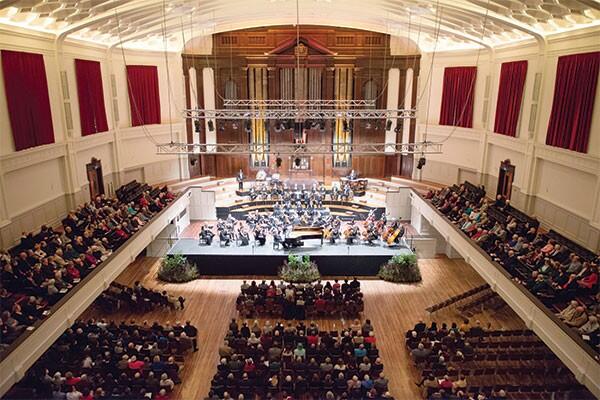
With a full house last Saturday, the Dunedin Symphony Orchestra, under the baton of Nicholas Braithwaite and featuring the virtuosity of pianist Michael Houstoun, performed a spectacular concert of Jack Speirs’ Fanfare; Beethoven’s Leonora Overture No. 3; Bartok’s Piano Concerto No. 3 and Dvorak’s Symphony No. 9, ‘From the New World’.


