Brain
3 articles found. Displaying page 1 of 1.
-
Features
 Issue 11 10/05/2026
If In Doubt, Sit Them Out
TW: Brief mentions of suicide and mental health difficulties
-
Culture
 Issue 18 10/08/2024
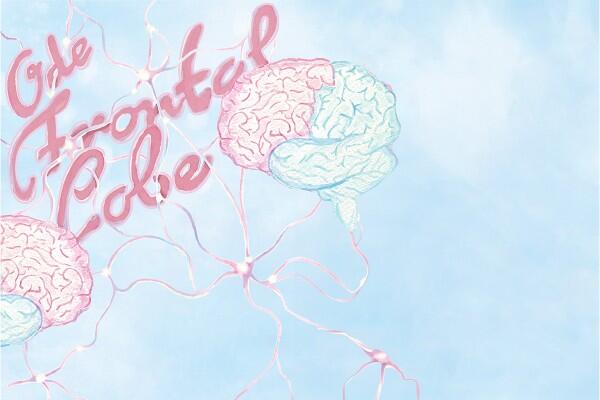
An Ode to the Frontal Lobe
Twenty-five. A quarter of a century. That age when all your mates stop binge drinking every weekend, and take up running half marathons and crocheting instead. When you begin to feel out of place in the Pint Night line, but are officially safe from Leonardo DiCaprio. And now, according to TikTok, the age you wake up to a shiny new frontal lobe. The doors into the depths of your adult brain swing open and your perception of life is drastically and irreversibly altered. Suddenly, you’re able to file your tax return and have lost the desire to steal road cones. While this would certainly be convenient, neuroscience is a bit more complicated than that. Critic Te Ārohi is here to break the bad – but ultimately good – news.
-
Columns
 Issue 1 24/02/2012
Geekology
The human brain is a complex beast, with approximately 100 billion cells and perhaps 100 trillion connections between them. These connections form information “highways”, which pass electrical currents from one part of the brain to the next. Almost everything you do as a human is dependent on these connections. Studying how the pieces of the brain interact requires some pretty complicated computers and math, and some exciting research is happening here at Otago. PhD student Paul McCarthy is investigating how brain networks in Alzheimer’s patients differ from those of normal people. Working off images taken from fMRI machines (like MRI machines, but with an f bit), Paul can see the level of activity in specific areas of the brain by measuring the change in blood flow to that area. Paul divides the whole brain into tiny regions called voxels – 30,000 in total. Each voxel has a number of “edges” – or “highways”, leaving that particular area. Using a Pearson’s Correlation Coefficient (PCC) Paul tests the probability that two separate voxels have a highway between them. If both areas increase activity in unison, the correlation would be high and Paul can assume a relationship between these areas. Not only does the PCC show correlations, it also shows anti-correlations, or where the brain voxels inhibit the activity of others. When the PCC is applied to all of the voxels within the brain you can start to see an entire network of functional connections between different brain regions. The most amazing thing is that Paul does all of this without even touching a brain! Paul is starting to find out some pretty funky stuff. For example, aged brains work a lot harder than young brains. The aged group showed a higher level of blood flow, which means that their brains are potentially expending more energy, probably because they lose brain cells, so the remaining cells have to work overtime to accommodate. Interestingly, patients with Alzheimer’s disease showed a reduced functional connectivity. Essentially, they had fewer highways, or a less efficient spread of information than younger brains or brains without Alzheimer’s. The tools Paul is developing while studying Alzheimer’s brains will hopefully be applicable to all brains in the future. This is an important case study, and part of what could ultimately aid us in learning the secrets of the mind.