
Ella Borrie
Volunteer
Articles by Ella Borrie
6 articles found. Displaying page 1 of 1.
-
Culture
 Issue 10 03/05/2015
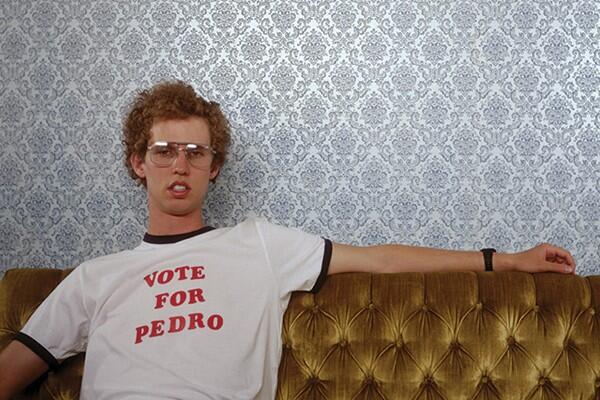
Napoleon Dynamite
Cult
-
Culture
Issue 23 14/09/2014
Wildwood
Wildwood is a children’s novel that follows Prue McKeel’s adventures in the Impassable Wilderness behind her suburb. She and her classmate Curtis discover the hidden province of Wildwood as they track a murder of crows that abducted her baby brother Mac. Wildwood is in political upheaval: there’s a malevolent Dowager Governess, an Owl Prince who questions the unconstitutional actions of the state and a coyote militia. The Wood encompasses various cultures and talking animals compete for control. Prue and Curtis must navigate bureaucracy and bandits in an attempt to save Mac. Like all good fantasy, Wildwood has a history and anthropology that is complex enough for the reader to dig into. Colin Meloy, the lead singer of the indie band The Decemberists, is the author. Meloy has a very particular method of story telling, that involves infusions of folk tales and many, many adjectives. The illustrations by Carson Ellis are also worth noting. Ellis’ style and muted colour palate is organic and fascinating. The artwork enhances the woodsy, adventurous feel of the book. Maps and illustrations add another facet to any story. One picture, particularly, of prisoner cages strung perilously from the root system of tree in an underground cavern, has carved itself a place in my mind. Adult fiction would be better off with pictures. Someone start a petition. The novel borders on being pretentious. For example, in the first chapter, Prue “sipped steamed milk and watched through the window as the café employees awkwardly installed a secondhand elk head trophy on the wall” – fair warning to any hipster haters, Wildwood is set in Portland, Oregon. Avoid the book if you don’t enjoy flannel and flower beards. I thoroughly enjoyed the novel, despite being a decade older than the intended readership. I appreciated the authorial style considering The Decemberists are my absolute favourite band forever and ever. (I recommend albums The Crane Wife and The King is Dead to newcomers.) Meloy’s winding, literary songwriting style is well suited to fiction. Reading about the adventures of a capable 12-year-old girl was incredibly heartening. Prue keeps a sketchbook and built her own bike. She’s the coolest female heroine I’ve encountered in a while; I wish I could post the book back in time to myself. Wildwood is a modern, less sexist Narnia. The idea that you can just stumble across a secret civilisation strips some of the mundane-ness from life. (I’m convinced Archway is hiding some pathway to another dimension. Why else would it be such a labyrinth?) Instead of creating an entire new universe, Wildwood explores a fantastical element of our own world. The possibility of magic in everyday life is appealing, as is the sense of pure story telling that accompanies children’s literature. Wildwood is a worthwhile read that will spark the imagination.
-
Culture
 Issue 16 20/07/2014
How To Train Your Dragon 2
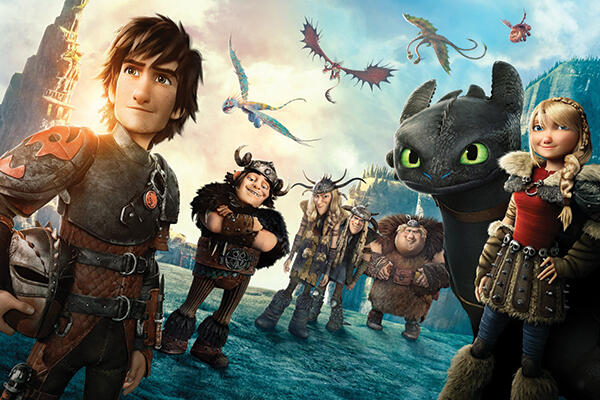
Rating: B+ How to Train Your Dragon 2 is like one of those shape-sorter toys. It’s not complex, and every emotion fits into perfectly shaped slots. The square block fits in when the young hero acts plucky. A heart-shaped block whenever the pet dragon is adorable. A teardrop block when the inevitable sad thing happens. It’s a good film, but not revolutionary. The story picks up five years after How to Train your Dragon left off. The Vikings and Dragons are now best friends. They play Quidditch with sheep, fly about having adventures, and it seems like fun. When this cheerful way of life is threatened, our hero, Hiccup, must muster his courage and his dragons, etc. You know the drill. I’m not going to say the animation is visually stunning, because that would be inane and lazy, but the shapes on screen are sufficiently shiny. The story may be a stock sequel, but the voice work and script is surprisingly engaging. Craig Ferguson and Kirsten Wiig’s characters are especially lively. Dragons are undoubtedly the best thing about How to Train your Dragon 2. The film is a constant rainbow parade of winged reptiles. Dragons are captivating creatures in any story and the filmmakers know it: all dragons, all the time! Toothless and Hiccup’s friendship got the tear ducts working, and Toothless has managed to worm his way onto the list of “Ella’s Fave Drakes” through his open shows of affection. In fact, I was a little jealous. During the break, all the love I got from the family cat, Jervis, was a half-hearted nuzzle when she wanted to be fed. How to Train your Dragon 2 was emotionally engaging and genuinely entertaining. As sequels tend to, it lacked some of the lustre of the original. A solid effort from DreamWorks, worthy of a Friday night date with your duvet, but maybe not a trip to the cinema.
-
Culture
 Issue 14 07/07/2013
The Great Gatsby
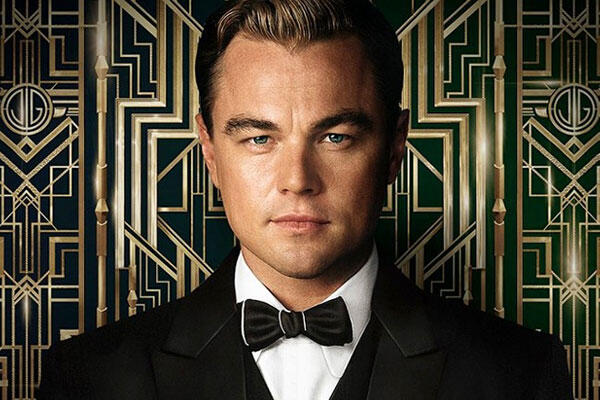
Rating: 3.5/5 Baz Luhrmann is known for making beautiful films, and The Great Gatsby is no exception. The film is a polished homage to the roaring twenties that emphasises aesthetics over source material. The story follows Nick (Tobey Macguire) as he befriends the mysterious Jay Gatsby (Leonardo DiCaprio), who is consumed with his love for Daisy (Carey Mulligan). In this film adaptation of F Scott Fitzgerald’s eponymous novel, Gatsby discovers that the “American Dream” is not easily realised. The film is grandiose and fast paced, though unlike Luhrmann’s previous offerings Gatsby doesn’t induce whiplash. The costumes and sets are gorgeous: Jay Gatsby’s parties are extravagant, boozy and, for me, the highlight of the film. You can almost smell the hedonism – it seems Fitzgerald’s novel was resurrected just for the party scenes. Obsessive and unswervingly optimistic in his belief in Daisy’s love, DiCaprio makes a decent Gatsby. However, it is when Gatsby’s façade cracks that DiCaprio is at his best. His performance is most compelling whenever the dream threatens to crumble and the terrified Gatsby appears. Unfortunately the same cannot be said for Daisy. Carey Mulligan is far too cute and likeable and Daisy needs to be more fickle and indifferent. Her portrayal did a disservice to the story; the gap between the actual Daisy and Gatsby’s imagined version should be obvious. Fitzgerald’s prose is well incorporated into the film. Most noteable is Nick’s line: “I was within and without, simultaneously enchanted and repelled by the inexhaustible variety of life,” uttered as he observes a circus of New Yorkers through their apartment windows. The Great Gatsby does have some appreciation of the original novel. When reading the novel you have to work to uncover the symbolism but there is no similar payoff in the film – at one point Gatsby literally reaches out for Daisy’s green light. Look! Symbolism! The audience isn’t able to find meaning in the story for themselves; instead Lana Del Ray finds it for them. The subtlety and core of the story is lost amongst the opulence. Gatsby is an epic adaption that lacks sincerity. The Great Gatsby was directed for spectacle. Just like the twenties, the film has more style than substance. It’s a grandiose film, but a little heartless.
-
Culture
 Issue 15 08/07/2012
Brave (3D)
Brave abandons Pixar’s usual bromance formula for the mystical realm of teenage angst. Set in ye olde Scotland, the story follows Princess Merida, voiced by Kelly Macdonald, and her glorious ginger hair*, as she attempts to break free from her royal destiny. The proverbial free spirit, Merida refuses to be chained by matrimony, which causes all sorts of animated upheaval. A bit of wholesome family fun for the flat, if you’re into that. The film is ridiculously good looking, but disappointingly 3D doesn’t actually make the scenery real. The limited cast supports the mother-daughter vibe of the film. The voice work of Kelly Macdonald, Billy Connolly, and Emma Thompson was joyful. Can I purchase an accent at The Scottish Shop please? Worthy of mention was the lack of a traditional Prince Charming [insert Feminist Fist Pump here]. It is seriously refreshing to see a strong, independent red-haired princess who don’t need no man. The plot of Brave has the potential to frustrate. An unexpected twist cements it as a “family film”, limiting its appeal. Instead of a traditional villain, Merida must fight the internal sins of pride and selfishness. This is inspiring. And boring. Brave almost hits its target. Although an average story can be overlooked when the characters and animation is Pixar pretty, the film won’t make your brain explode. Brave is better than most kids’ entertainment, but it’s not Toy Story. Watch with as much pseudo-Scottish pride as you can muster from the streets of Dunedin. *Please note I did not use the word ‘feisty’ to describe a red headed character. Please send journalistic awards to the Critic office. 4/5 Stars
-
Culture
 Issue 6 01/04/2012
The Hunger Games
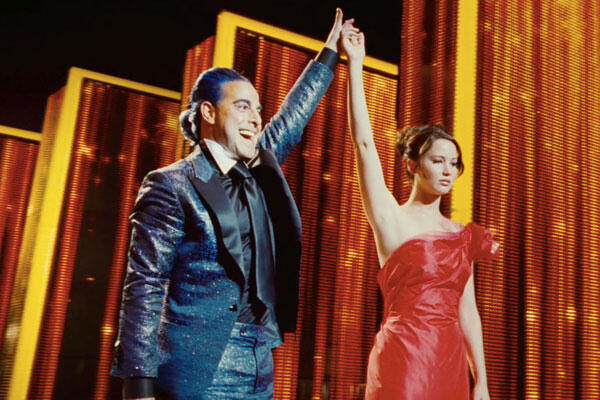
Director: Gary Ross The Hunger Games is the most recent piece of Young Adult lit to roll off the Hollywood production line. In a post-apocalyptic America, the indulgent Capitol rules over twelve districts. Tributes are picked from a lottery of citizens for the Capitol’s instrument of oppression – The Hunger Games. This televised gladiatorial battle is almost like The Bachelor, except the contestants decapitate each other for the rose. And the prize is not dying. The heroine, Katniss, volunteers as tribute in place of her sister. And so begins the spree of killing, love triangles and teenage angst. The film is almost an exact transplantation of Suzanne Collins’s novel. It puts a magnifying glass to the page, enlarging the scope and capturing the spirit of the book. Director Gary Ross’s lack of meddling with the story is almost disconcerting. Diehard fans may miss the first-person narration, but they won’t be nit-picking changes in the plot. The performances are precise; Jennifer Lawrence is a strong and terrified Katniss, and Josh Hutcherson as Peeta has sufficiently tousled hair. Capitol decadence fills the screen with pretty colours; a nice break from the dying children. The choppy cinematography captures the panic of the games while the fast pace reflects how compulsive the book is to read. The Hunger Games is primarily a story of survival and secondly a piece of dystopian-lite. It’s nothing highbrow but the contrast between suffering and vapidity is striking. If you can brave the mass of swooning fangirls the film is well worth your Studylink dollars. But need it be said? Read the book first. Ella Borrie


