
Lauren Wootton
Feature Writer
Articles by Lauren Wootton
16 articles found. Displaying page 1 of 2.
-
Features
 Issue 25 23/09/2012
XX vs XY
“Here’s the difference between boys and girls: boys fuck things up, girls are fucked up.” - Louis C.K. Everybody knows there are a few fundamental differences between boys and girls. But what might seem like minor anatomical dissimilarities can become a monumental chasm in the bedroom. Lauren Wootton investigates the differences between boys and girls when it comes to sex, and finds out whether there’s something in our biology that explains it all. Me Tarzan, you JaneMen are superior to women in every single way. They’re faster, stronger, more intelligent, and sex is always better for them. Always. That’s why most countries are run by men, God is always referred to as “he”, and all of the candidates for next year’s OUSA President are male. Men are just better. I love men. I love everything about them. From their manly chests to their post-workout pheromones, there is nothing about boys that I don’t like. Well, except for a few things when it comes to the bedroom. I don’t mean to be facetious, but the difference between boys and girls is pretty damn obvious. Two words: penis and vajayjay. But there’s more to it than just anatomy. Boys and girls think, act, and feel completely differently. We evolved differently to fufill different roles – especially when it comes to sex. Me so hornyAdmit it girls, we get horny. Scientifically speaking, there’s a week or two in every month that girls want it all day every day, every which way we can. Now take that week, and imagine feeling that way all the time. Welcome to the life of a male. That’s why they watch so much porn. I consider myself lucky that I made it through 21 years without ever watching porn. When I revealed this to my Critic colleagues during today’s 24-hour issue, they decided this transgression had to be rectified immediately, and sat me down in front of one chick sucking off four dudes. Yup, my boss made me watch porn in the office. Let me tell you, it was not a gentle introduction. I threw up in my mouth a little (and I wasn’t even the first feature writer to do that today). But according to some recent research at the University of Groningen in the Netherlands, that’s probably because I wasn’t turned on to begin with. Apparently, the reason we don’t find sex gross when we’re doing it is because arousal makes us more open to the sights, smells and sounds that sex entails. Let’s be honest, there’s usually nothing particularly appetising about a mouthful of someone else’s genitals, but if you’re turned on enough then some cheeky cunnilingus isn’t out of the question. Blood rush to the headWhich brings me to the question of arousal. What is it that floats your boat? Tickles your fancy? When I say foreplay, do you gasp with both sets of lips and quickly spread ’em? Getting sufficiently wet is vital for an enjoyable experience all round, and the ability to walk properly the next day. For some people, your stock-standard anal fisting is all that is required for effective lubrication. But for others, it takes a little bit more than the usual to get their juices flowing. American neuroscientists Dr. Ogi Ogas and Dr. Sai Gaddam analysed the differences between male and female sexual preferences in their book A Billion Wicked Thoughts. They say men are more predisposed to have fetishes, because “The male sexual software … is instantly aroused by any single cue. The male brain is turned on by deep décolletage or sashaying hips or the whisper of a sultry voice… Though for most men [arousal] can be triggered by any one of a variety of sexual cues, for some men, one specific cue is essential. This necessary cue is a fetish.” In contrast, ladies need multiple cues all at once to get their sexy on. That’s why men are more likely to develop a fetish – because they find one thing that really turns them on, then can’t get turned on by anything else. Some fetishes are weird, though. I watched a documentary on 20/20 called My Big Fat Fetish, which was all about women who got themselves so ridiculously fat that they were nearly bed-ridden, all in the name of turning guys with weird fetishes on. These women call themselves “gainers”, and they attract “feeders” – dudes who really get off on force-feeding women food. They have cult-like feeding sessions, where they tie the women up and feed them through a funnel not unlike a beer bong. The huge women even get paid for “squashing”, where they basically sit on guys and wobble their copious mounds of flesh. Yumm. But that’s pretty extreme. More common (and surprisingly normal) fetishes include feet, belly-buttons, or fingers in buttholes. And it’s not just men who fall victim to these sexual quirks. Women are also prone to getting a bit excited over one thing, although these are more commonly body parts like chests, jaws, or big penises. Some people’s fetishes are even as tame as different positions. If a girl turns around and waves her gorgeous derriere in your face, you’re not going to hesitate to spread her legs and fuck her like a bitch. And then there’s the switch unbearable – where you change positions, and it just feels so damn good it’s unbearable. Sometimes, a little switcheroo is all that’s needed for everyone to have a happy ending. Cum CatchersThere’s another reason why boys and girls are different when it comes to sex – the end result. Biologically, men are trying to spread their seed, and women are trying to get fertilised. In the short-term, however, boys aren’t really worried about much more than cumming inside someone. On the other hand, for girls, climaxing can sometimes be only a bonus. They want the emotional connection, the “oh my gosh this guy thinks I’m hot even though I’m having a fat day” type of experience. We’re talking the epitome of self-esteem boosting: the realization you can make a guy cum just with your body, which you hate on the best of days. And right there, I’ve revealed the secret to getting a girl to sleep with you – make her feel good about herself. Plus, everyone knows how hard it is for a boy to fake it. It’s do-able (see: put on condom, wiggle around and moan a bit, pull off condom before she notices), but it’s far less believable than the well-practiced contortions of a lady’s fake squirt, and arguably, guys can never tell anyway. SpoonedThe other thing about girls and sex is the cuddling. Gone are the days of the “tap and gap” – nowadays boys are expected to hang round for a post-coital kiss and snuggle (provided her mouth hasn’t been elsewhere). There’s some scientific evidence around this idea too – women are more attracted to men who feel tired straight after sour creaming the taco, because it means they’re going to hang around. In evolutionary terms, it’s evidence of primeval “pair bonding” – that human tendency to mate with one person long term. If the male is going to get sleepy instead of gapping it, he’s going to be around to help raise and provide for the potential offspring. So boys, if dozing off post-fuck is a tendency of yours, don’t be surprised if you wake up with a ring on your finger. In case you haven’t worked it out, I’m female. I can’t speak for the men of the species. But luckily for me, I’ve spent the past 24 hours in the Critic office with a couple of lovely young males who were more than happy to expose me to porn and explain why it’s so exciting for them. I don’t know if I’ve ever encountered so many different ways of saying “orgasm”, or talked so intimately about my sex life with anyone else – to those of you listening on the live feed, keep it to yourselves please. When I got up at 5am this morning, I never thought I’d end the day having completed a life milestone – seeing my first real porno – or that I’d spend the majority of the next 24 hours discussing sex. But hey, sex is something pretty much everyone does. And I know what you’re thinking – “Seriously Lauren? You’ve never watched porn?” Well, I’ve got news for you. I may never have watched porn, but Callum Fredric has never chewed chewing gum. You tell me which is more fucked up.
-
Features
 Issue 23 09/09/2012
Is The Treaty Dead?
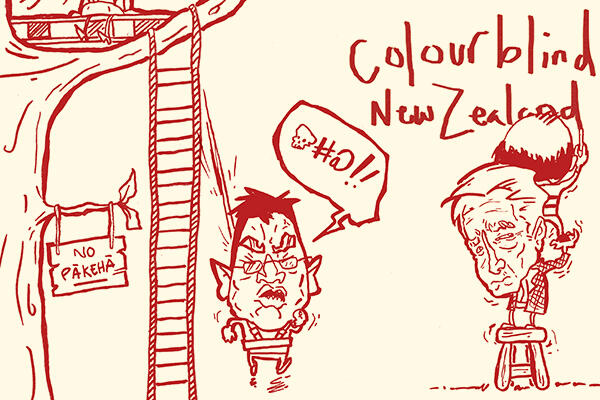
I know what you’re thinking – not another article about the Treaty of Waitangi and race relations in New Zealand. Bring back the blind date lesbian sex! The only people who even have to deal with Treaty stuff are law students and people who study it, right? Wrong. As New Zealanders, we enjoy the benefits of the Treaty of Waitangi every single day. The only reason we function as a country is because New Zealand’s original settlers, Maori, agreed to share. The reciprocal partnership that is embodied in the Treaty is one that many, if not all, of us take for granted. Why then, do so many Kiwis continue to question whether the Treaty really matters in this day and age? Why should the typical scarfie care about something that was signed over 170 years ago? Full disclosure: I’m white. I don’t have a particular axe to grind, and I like to think that I’m not racist. I also like to think that I, like many other New Zealanders from all kinds of backgrounds, am willing to look at all the facts and decide what to think without taking racial prejudice into account One Maori? Or many Maori?Firstly, we should remember that Maori are only a “race”, but a variety of individual cultures. People who identify as Maori but live at different ends of New Zealand have very important cultural differences. By classifying Maori people as one homogenous group without taking into account their differences, you’re losing before you even begin. The fact is the people, customs, and histories of Maori are so vast and varied that they can’t can be chucked into one big pile. But I’m getting a bit off topic. Why does the Treaty of Waitangi matter to you (whoever you are) and me? Kara Dentice, an Otago student and member of Te Roopu (The Maori Students’ Association), thinks the Treaty is just as important to Maori as it is to non-Maori. “Even though the Treaty might affect them in different ways, there needs to be a greater understanding of the Treaty by everyone.” He thinks that cultural discrimination in New Zealand is seen as a bit of a sensitive topic, because no one wants to be called a racist, but that a bicultural New Zealand should be something so widely accepted that it isn’t even talked about. “Because we [would] live in a world which is built on the desires and hopes of the Treaty… a truly equal New Zealand, where Maori values and tikanga (cultural practices) are imbued at the same level as their Pakeha equivalents.” Tihema Nicol, another student I talked to at Te Roopu, also thinks it’s important that we remember that the ideas of giving in the Treaty are reciprocal and it’s not all about taking land, money, or whatever else. “I think there’s a misconception in normal society that Maori are just taking… it’s important to understand that Maori are not the sole beneficiaries of the signing of the Treaty. A lot of people see Maori as getting Treaty claims, getting their land back, getting multi-million dollar deals with the government, and yet they don’t see what’s happening at a local level where… [things have] been put back into the community not just for Maori, but for better wellbeing of the community as a whole.” Kara agrees. “Maori are the most giving people in this country. Even people who have nothing will give everything they have.” When the Treaty was signed, Maori at Waitangi gave their food to the European settlers, even if it meant going without themselves. Treatygate?But what about this Treatygate thing? For those of you who haven’t been reading the Critic lately (naughty!), there’s this guy John Ansell who is calling for New Zealand to become a “colourblind state”, with no race-based prejudice or recognition of race in general. This means no Treaty, no seats in Parliament based on race, and a completely different New Zealand. It could also mean some pretty bad things for Maori people. Dr Paerau Warbrick is a barrister and lecturer here at Otago. He believes that “the media needs to ignore [John Ansell] as an extremist”, but the same applies to Margaret Mutu and Hone Harawira, who are “extremists on the other side”. “John Ansell has made a lot of money out of pitting New Zealanders against New Zealanders. Why should we, as a nation, give him the time of day?” Warbrick also argues that the Treatygate idea isn’t pragmatic, because people do things and understand things differently. “Let’s take race out of the equation. Do you really think that the people of Dunedin and the people of Hamilton are the same? There are different cultural and historical settings for the two cities.” In essence, the same could be said for all the different groups of people in New Zealand. The Maori students at Te Roopu agree. “It’s perspective without understanding,” says Kara. “I don’t think we have come to a time in New Zealand where we can say ‘We don’t need Maori seats… in Parliament, on the council, we don’t need to recognise Maori as a special culture of New Zealand,’ because if we do that, what’s going to happen to Maori? By virtue of [removing Maori seats from Parliament], we are removing the Maori voice.” And by removing the voice, we’re removing particular tikanga and customs from these institutions as well. But David Round, a law lecturer at the University of Canterbury, has a different perspective. We already know what John Ansell is campaigning for – a society free from racial bias – but Round has a slightly less inflammatory approach. He says the most important thing is “what the Treaty actually says… simply that the Queen is sovereign, Maori are her subjects like everyone else, with the same rights as everyone else, including the enjoyment of their property. That’s it. No special privileges, no ‘partnership’ with the Crown, just equality of citizenship.” And here’s where the debate REALLY kicks off: what does “equality” mean? Equal?Lisa Pohatu, President of Te Roopu Maori, says that wanting equality versus equity is the main difference between the sides of this debate. Kara agrees: “The Treaty of Waitangi is about ensuring that we live in a New Zealand where there is a partnership between two different cultures, and an equal society.” Kara says that this is not an issue of race, but of equality. He thinks it’s important to ensure that “Maori values, cultures and views are upheld, because the minute we take away what might be imbued to be special rights, the dominant hegemonic group (in this case, Pakeha) sort of overtakes.” In 2005, David Round quoted Metiria Turei as saying that “Maori want two things. They want independence, and they want more funding.” This contradiction certainly doesn’t help the situation. So they want to be given money, so long as they can be independent with it? Who in their right mind would give someone funding, then let them do exactly what they want with it? The problem here is that people have different perspectives, and are arguing for different things because they see words like equity and equality differently. To Maori, it’s about maintaining their culture, upholding their values, and having a functional bicultural society. Kara says this means “recognising there’s more than one way to do something. There is a Maori approach to everything and let’s see what that brings, even if you’re not Maori. There is a Maori way to do everything as there is a Pakeha way. Or let’s combine the two without the loss of one or the other.” He believes that in New Zealand society there is a silo effect, where “we gotta do this, this, oh and we gotta do the Maori stuff as well”, instead of integrating Maori culture with everything else. But there’s always a flipside to the coin. There’s a common view in modern society, especially among the older generation, that the Treaty is now just a tool for the Maori people to take land and claim rights. You can see how this happened – many European families migrated to New Zealand, bought land off the Crown and worked it for generations, only to have it taken away from them. Sure, it technically wasn’t theirs in the first place, but you can understand how the sentiment arose. And you can understand where people like David Round and John Ansell get their ideas from. New Zealanders seem to have an opinion on everything. whether it’s race relations, gay marriage, or raising the drinking age. But it’s important to understand how the things you’re talking about are affecting you. Everyone knows a little bit about the Treaty (signed on February 6, right?), but a lot of us do not realise just how much it underscores all aspects of New Zealand society and government. Were it not for the Treaty, European settlers might have taken New Zealand by force (well, more force). But the Maori people decided to share; they decided to give the settlers somewhere to live in return for various things and a reciprocal relationship where everyone does a little giving and a little taking. Unfortunately, it didn’t quite turn out that way. So why shouldn’t people who had their land taken from them have rights to it? And why shouldn’t the native culture of New Zealand be upheld? There’s one thing people seem to forget: New Zealand may be a society full of heaps of different people, but it’s the only place in the world where Maori are the native people. So if they lose the right to their own culture, what do they have left?
-
Features
 Issue 19 05/08/2012
Flatting 101
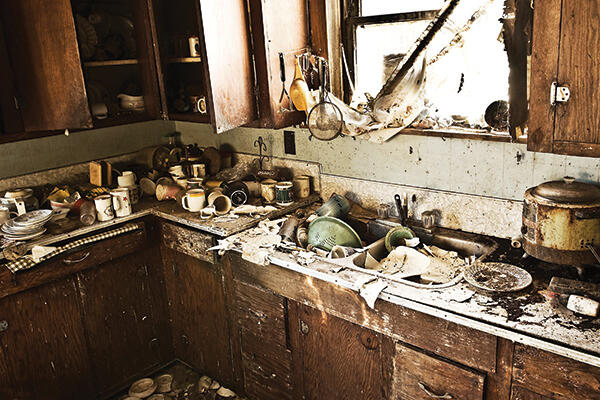
It’s that time of year again – every knock at the door is another group of students hoping to look around “really quick” to see what is up for grabs. Going flatting is a rite of passage for students, signifying a new independence away from parents or the swipe card-dominated 10pm Quiet Time of hall life. For students who have done it all before, it’s a chance to start afresh with a new house and new people or keep up tradition and re-sign for another year of awesomeness. But the world of rent, flatmates, and near-poverty can be daunting, especially when the list of things to think about keeps getting longer. So, you’re either about to pop your flatting cherry or you’ve done it all before and are ready for round two (or three, or maybe even six or seven). You’ve got a posse that you’re happy to spend the next year with, and you’re out door-knocking like the Avon lady up and down Leith, Hyde, Castle, and Clyde, because that’s the best place to live in Dunedin, right? Well… maybe. But maybe not. There are a few vital steps that you need to take before you throw the flat-warming party that you’ve been looking forward to since your last NCEA exam. Step 01: FlatmatesThere are two golden rules to flatting: choose your flatmates carefully; and don’t screw the crew. Caryl O’Connor and Laura Drake from the Dunedin Community Law Centre, and Campus Cop Max Holt agree, that who you live with is the most important part of flatting (they were less sure about the shagging). Tales of incompatibility, flatmates participating in illegal activity (from selling illegal substances to housing inappropriate guests), inter-flatmate burglary, and all-round shit times are common traps for inexperienced flatties. And loved-up couples aren’t immune. Choosing to live with your significant other or a new couple should’t be a rushed decision. Remember, you are going to see every side of your flatmates, from PMS insanity to hangovers, exam stress, or OCD clean-freakiness (the next time you tell me to scrub the toilet with a toothbrush, I’m going to use yours). So if you’ve already said yes to that friend with a spewy tendency and a habit of getting rip-roaringly drunk twice a week, you might want to think again. Step 02: LocationAs good as rolling out of bed and into a lecture sounds, there are pros and cons to every location. Scarfie central is closer to Uni but it’s also more expensive and popular, and if concentrating on study when there’s a party next door isn’t manageable it might not be for you. Also, there is a higher chance you’re going to get burgled in the student area. Max Holt says that criminals tend to target North D, and safety is a very important issue. On the other hand, a 15-minute walk to class might seem a bit shit but if quiet nights are the difference between passing and failing it’s something you should consider. Also, Caryl from the Law Centre says it’s important to look for “insulation, heating and sun. Things can look pretty sweet in summer, but there are some places in Dunedin in winter that never see the sun.” If your Nana can’t knit and you don’t have many blankets, this is something you really need to think about. Step 03: Bondage, Rent and Cash MoniesNo, I’m not talking Fifty Shades of Grey-ish riding crops and blindfolds – though that bondage sounds like a whole new kind of fun, amirite ladies? I’m talking about the various sums of money that you have to fork out before you get to walk through the front door of your new flat. Caryl and Laura say that you’ll usually pay a bond of two weeks’ rent plus two in advance, which is the maximum number of weeks in advance a landlord can charge. As long as you don’t do anything stupid, you should get that back. Laura stresses that you need to be there on move-in day when the landlord does the initial inspection, so you all agree on the condition of the flat beforehand. If in doubt, take photos of any damage before moving in for evidence if needed. The bond is basically the landlord’s insurance policy. If you ruin the flat or break something that they have to fix, this money pays for it – it’s so you can’t fuck shit up and skip town. So unless you want to miss out on getting this back at the end of the tenancy, look after your flat. Rent varies depending on location, living conditions, and number of flatmates. When looking at rent prices, Caryl and Laura say you need to be absolutely clear what is included – the advertised price is usually base rent, and you pay for power and phone/internet on top. Don’t fall into the trap of thinking it’s all included. Check your lease agreement (more on that later), and talk to the landlord so you know exactly what you’re paying for. Which brings me to the cash monies. You can pay rent into one account or all pay separately; it’s up to you. Usually one flatmate is in charge of the finances – they set up a flat account, you pay all the expenses into it, and they make sure rent and bills are paid on time. Two beautiful words will save any flatmate from awkward confrontations and passive-aggressive notes: automatic payment. Set one of these babies up, and you will never have an issue. Just make sure the dates are right. The final thing you need to think about is food. Are you eating together, separately, or both? Usually flats set up a roster for meals and share the cost of basic ingredients – you might put $20 – 30 into the account per week for dinners and essentials like bread, milk, toilet paper, and cleaning stuff. Don’t buy shit you don’t need: flat ice cream, nutella, basil pesto? There’s always going to be someone who misses out and gets mad, so buy these things separately and put your name on them. Step 04: Sign on The LineDunedin leases for students are usually fixed-term, meaning you pay rent from the start of January to the end of December and there’s nothing you can do about it. Caryl and Laura say this is why you need to be careful when you pick who you live with. You’re legally stuck with them, and it’s not easy to get out. Caryl says that the biggest hassle people have is trying to get out of a fixed term lease. “They are responsible for the payment of the rent – whether or not they actually stay in the house – until the end of that fixed term, unless they can get off the lease with the landlord’s consent, or find a replacement, or apply to the tenancy tribunal to get a reduction in the fixed term to get them out – but that’s really difficult to get.” It’s important to make sure you know what you’re getting into when you sign on the dotted line. Any lease that everyone signs makes all flatmates “joint and severally liable”. You’re responsible for not only yourself and all the other flatmates, but everyone invited onto the property (and Hyde St Keg Party is no exception). Caryl says that a few years ago “one flatmate was left alone while their friends went skiing for the weekend. They were pretty annoyed about it, so they decided to have a party. $30,000 worth of damage later, the flatmate was on a flight to Australia never to return and the other flatmates had to front up. And there was nothing they could do because they were signed up to the lease.” Moral of the story? Avoid bankruptcy by taking the whole flat up the mountain for the weekend, not just one or two. Step 05: Insurance and Flat SafetyInsure, insure, insure. Caryl and Laura say this is vital. It covers you if you leave your hair straighteners on and they burn down your room and your neighbour’s room too, and at around $5 a week it’s something you can afford to have. But you might as well be throwing that money down the toilet with last night’s Diesels if you don’t lock your doors and windows. Campus Cop Max Holt says, “when burglaries occur, the first thing the insurance company asks is where the point of entry was, and I have to say: ‘Well, they walked straight in the front door!’” It’s simple: if you haven’t locked your front door and the door to your room, and your shit gets stolen, you won’t be insured. But Holt says it doesn’t end with locking your doors. You also need to close your windows and curtains. 88% of burglaries happen in the daytime – it takes a special kind of criminal to break into your house at night. Closing your curtains not only stops would-be burglars from window shopping, it’s also a matter of safety. Criminal activity, especially in the student area, is not just limited to burglaries. Holt says there are a number of pervs just looking for an opportunity to catch a gorgeous young thing undressing in front of her window. There aren’t many things worse than a dirty pair of eyes watching you from behind the rhododendron bush. But Holt does offer some peace of mind. He says Campus Watch are constantly on the lookout for signs of suspicious activity, and over the past few years their efforts have contributed to a drop in crime in the student area. “It’s a University initiative that they need full marks for. What they’re doing is a wonderful thing.” He also says that the police use sophisticated tracking technology to locate stolen gadgets from smart phones to laptops, and recover them nearly every time. Step 06: When Shit Hits The FanEveryone’s seen the infamous roof collapse video from Hyde St 2012. As funny as it was, it’s not something you want to happen to you. Yannik, a member of the flat, says: “we rang the landlord straight away, and he sent someone around. He had a look at what had happened and why, to try and determine what we could do next. We couldn’t do anything on the day, but in the short term it was cold, so we got up there and propped it up so the rain drained away.” In the long term, they got off pretty lightly – because they had the video, and no one from their flat had been on any roofs that day, it was covered under the landlord’s insurance. Essentially, the people on the roof were invited onto the property by the flatmates, and were therefore their responsibility. So the boys of 22 Hyde were lucky. They managed to have an awesome day, keep their bond, and avoid any long-term debt. Caryl and Laura say this isn’t always the case, but when things go wrong there are options. The Community Law Centre is free, as is SOULS Tenancy Service, which is run by law students. This is the fastest and easiest way to find out your rights and responsibilities. There’s only one thing you should never do: stop paying rent. When done right, flatting is awesome. There’s no authority figure to tell you what to do, and you get to throw parties and plan red cards. Arguably, the best part is going home in the holidays and appreciating a full fridge, mould-free bathroom, and a Mum-cooked meal. But even when shit hits the fan, with good flatties and a decent attitude you’ll be sweet. Don’t be put off. As long as you know what you’re getting in for, you’d have to be pretty unlucky to end up with a hole in the [insert vital part of house here] and an empty bank account.
-
Features
 Issue 16 15/07/2012
What The Drunk?
On any given night of the week scarfies and their friends go out to play, and nine times out of ten their sport of choice is drinking. Getting booze is easy, and getting drunk is even easier. But why does alcohol make us feel so good (and then oh-so-bad)? And what is it actually doing to us? Professor Jennie Connor, the HOD for Preventive and Social Medicine at Otago, researches the health effects of alcohol and the impact of alcohol on sexual behaviour. She says it’s all about our BAC, or Blood Alcohol Concentration. “Alcohol crosses the ‘blood-brain barrier’ very quickly and has a direct toxic effect on the brain, which causes the feelings of intoxication. How drunk you are is determined by how much alcohol is in your blood (and therefore your brain). The BAC depends on how fast you are drinking.” So the more you drink, the more alcohol is in your blood, and the more effects you begin to feel. BAC is affected by all kinds of stuff. If you’re very fat, very skinny, overly muscly, damn hungry, or female, you’re going to get drunk quicker. Alcohol sensitivity also depends on things like your ethnicity, genes and how good your liver is, as well as how often you drink. Basically, your liver can only break down so much alcohol per hour. That’s where the wee standard drink pictures on your can of Cindy’s come in: the liver needs one hour to break down every standard drink. Your BAC rises when you drink more than your liver can handle. Alcohol is a poison. Since your body can only process so much poison per hour, the more alcohol you put in, the more poisoned you become. But regardless of how quickly you get drunk, we all know what happens when that BAC starts to creep up. Your Scarfie Alter Egos arrive and begin to cause trouble. Too Much Information ScarfieThough a game of “I have never” might be a great way to break down some social barriers, you may not be so happy the next day that you told everyone in the Cook that you pissed your bed until you were 12-years old. But as you start getting drunk, you start to share too much information. Professor Connor says that when your BAC gets between 10 — 50 micrograms per 100ml of blood, you start to feel relaxed and good about yourself. You’re also going to lose your inhibitions. Where’s The Line, an online tool used to train bartenders to identify the different stages of intoxication, describes this as the “happy phase”. Apparently this loss of inhibitions is “what people are striving for as they take those first drinks.” But as your BAC starts creeping up over 60, and “I Have Never” turns into an all-out see-who-can-tell-the-grossest-story session, you’re already well equipped for a next-day “holy shit did I actually say that” moral hangover. Slut-dance Scarfie For some people, this one is a whole lot of fun. Nothing is sexier than a sloppy-drunk girl hitching up her boob tube while gyrating into some dude’s crotch, or some wasted guy getting all up in your grill. At this point, Connor says your BAC is hitting 60-100, and you’re feeling pleasure, a numbing of feelings, and experiencing a little less coordination than usual. You don’t care what anyone thinks, you’re going to dance like the sexy minx you are and NO ONE will be able to resist you. This is the point where you’re feeling drunk, but good drunk, and it’s usually the ideal level to stay at. But soon you’re probably not going to notice if everyone is having a good old laugh at your expense. Especially if your drunken dance moves aren’t appreciated by the girlfriend of that guy you’re grinding on. Moneybags Scarfie“Me? Drunk? Never! Let’s get some shots… oh you’ve got no money? All good, I’ll shout you one bro.” After our feelings go a bit numb and we lose a few inhibitions, out comes Moneybags Scarfie. It’s okay, you don’t need to eat this week anyway. There are two variations on this alter-ego: the one with the money who is just drunk enough to think he’s sober, and the one without their EFTPOS card and an all too well-practiced way of forgetting to pay you back (“yeah bro, my pay goes through tomorrow!”). This is usually followed by what Where’s The Line calls the “loud stage” – when the drinker “begins to enter a place when they will experience regrets the next day”. Add that to the moral hangover brought on by TMI and Slut-dance Scarfie, and you’re cooking up a nice wee toilet bowl of regret. Best Friend Scarfie“This guy!? I LOVE this guy!” Suddenly, everyone is your best friend (probably thanks to Moneybags). According to Professor Connor, when your BAC hits the 100 mark, you’re going to experience emotional arousal, and your reasoning and depth perception are going to stumble out the window. You love everyone, even if you only met them five minutes ago. By now, you’re probably out of money, but that’s okay because you’ve got all these new friends and you’re going to be friends forever and have parties together and sure you can move into the spare room in our flat, we can even add each other on Facebook. Bad Decision ScarfieThis is my all-time favourite alter ego, known by Where’s The Line as the “Swaying and Slurring” stage. With a BAC of anywhere from 110 (mood swings, anger, sadness, mania, and slurred speech) to 300 (aggression, depression, reduced sensations, and lack of balance), this Scarfie appears in many forms. Acts could range from swinging the first punch or texting that psycho ex to lighting a fire, getting naked at McDonalds, or taking home that gorgeous girl giving you eyes from across the bar, even though she looked like a rabid dog about three drinks ago. The Scarfie who gets lucky with this girl on a Thursday night is often lured dangerously quickly into STI-riddled, accidental pregnancy territory by statements like “it’s okay I’m on the pill”. Let’s not forget, the girl’s Bad Decision Alter Ego is probably out to play as well. Connor says that “heavy drinking increases unsafe sexual behaviour, and consequent STIs and pregnancies, as well as the emotional and psychological burden.” Not only that, but the leading cause of death in young people in New Zealand is injury, and the leading cause of injury is alcohol. Picking up a pattern here? Coma ScarfieThe “Falling Over Drunk” stage. Once your BAC goes over 300, you’re getting into dangerous territory. Your motor skills are gone, you’re spewing your ring out, and you’re not too far away from being put to bed with a bucket and declared “coma-d”. You’re probably going to cry, wet yourself, go in and out of consciousness, and you might even go into a real coma. There is a very real risk of dying from alcohol poisoning or choking to death on your own vomit. No one wants to be that kid who had a real bright future until they drank themselves to death. It’s a shit time for your family, your mates, the doctors who tried to save you, and everyone else involved. YOLO, right? Better make sure you actually get to live. What then?But that’s just the here-and-now effects. Professor Connor says it’s difficult for young people to fully appreciate the long-term effects of heavy drinking. “There is a perception that you drink heavily for a period of time when young and there is no effect on the rest of your life. This will be true for some people. For others there is a range of possibilities.” Connor says that people who drink heavily at Uni will often fail or drop out, and that drinking heavily when you’re young makes drinking problems in later life more likely. She also emphasises that injuries are pretty common, and sometimes people die. Just because you think it won’t happen to you doesn’t mean it won’t. But unlike me, not everyone brings their alter-egos out to play when they’ve had a couple of drinks. There are a lot of Scarfies out there who can drink till their BAC hits about 100 and keep it there by having only one or two per hour. But for those of us with a lower tolerance, lack of self-control, or messy combination of the two, Thursday and Saturday nights are frequently followed by a morning spent telling the toilet about all the things you said or did last night. Sometimes the moral hangover is worse than the physical one. As your body tries to expel the excess poison from your system, sometimes out of more than one orifice, it’s all you can do to curl up in a ball on the bathroom floor and pray one of your new “friends” brings you some Velvet Burger. And let’s not forget those terrible moments when memories from last night resurface with a sickening jolt of realisation and shame. Let’s face it, everyone has those nights that haunt them for days afterwards. It’s the stuff of 21st speeches, YouTube videos, and stories for the Scarfie Chronicles. The only thing more embarrassing than an old school friend telling you they “heard you had a bit of a rager the other night” even though they weren’t there is when you’re at Squiddy’s on a Monday innocently getting a scoop of chips and you’re approached by someone you’ve never seen before in your life, but they’ve met you, and did you want to catch up for that drink you promised the other night? You can only hope your old friend TMI Scarfie didn’t tell them about the chick with the herpes. Maybe it’s time you started leaving your Scarfie Alter Egos at home.
-
Culture
 Issue 12 20/05/2012
Fabulous
We’re all familiar with the rhythmic reggae dub that has sound-tracked many a Kiwi summer, known as The Black Seeds. It’s been four years since their last album and their latest release – Dust and Dirt – is a wee bit different while still being completely the same. With a slight emphasis shift from vocals to instrumentals, and the addition of a little bit of psychedelia, Dust and Dirt brings a little bit of something new to the table, while still managing to deliver that authentic Black Seeds sound. Always reliable for their trademark beats, but even more so for their excellent chat, I had a yarn to guitarist Mike Fabulous about all things Dust and Dirt. You guys seem to be going from strength to strength – massive tour, a new album – how are you feeling about it all? Really good, obviously. We’re really happy with the album. We basically just made an album that we were happy with – that we liked – which isn’t always the case so we did well on that front. Then it’s been a real bonus because it’s doing well and people have liked it. You can’t always guarantee that just because you like it, it will be well received by everyone else. It’s nice, especially since we’ve been in the game for a while now, that people still care! It’s been four years since Solid Ground – what have you guys been doing? We’ve been touring and working on other projects – I guess it’s just really easy for a couple of years to slip by and to not have another album, if you haven’t booked in to record it and I think that was part of the reason. We’re going overseas as well as touring New Zealand and Australia, our other side projects and having families so it wasn’t hard for a couple of years to slip by. And when we did book in time we wanted to do it differently to Solid Ground, in terms of giving ourselves more time and not having pressure from the bloody label wanting it to be “pop-y” and all that kind of thing so that’s why it took a longer time. But I think we really went from that and it was better to take a bit longer and make a better album – you feel so much better about the whole thing. You’ve been described as “barbecue reggae” – how would you describe your sound? I think it’s a very amusing term – it’s a source of a lot of jokes within the band. But it is ill-informed and I think it was probably quite accurate circa 2003 but it’s not relevant ten years later. But I like BBQs and I do like reggae so I guess that can’t be too bad! It’s hard to describe – it’s music whose main ingredient is reggae, but that isn’t pretending to come from Jamaica, and is influenced by many other sounds. How would you describe the development of Dust and Dirt compared to Solid Ground? There’s definitely some new sounds in there – a few reviews have compared it to Pink Floyd, which amuses me and I quite like – it’s not something I would have thought of but I think it’s to do with the slightly more psychedelic nature of some of the songs. I think we could have made this kind of record around the time of Solid Ground if we had’ve had more time. It’s a far better representation of the band – everyone has had a better input into it and we’ve had more of a chance to stretch our legs. Tell me about recording in your own studio compared to other experiences you’ve had? It’s pretty awesome – pretty spectacular. I can’t explain how much nicer it was not having to look at the clock all the time. When we recorded our other albums, you’re booked in for two weeks, you have to have it done in that amount of time and there’s always that pressure there. Not having that has totally changed the game. And then there was fresh air and sunlight, which you take for granted most of the time in your life, but when you have to go without for a few months when you’re recording an album, you start to get studio-itis – you go a bit nuts after a while. When you’re working long hours and you don’t know what time of day it is outside, it gets a bit toxic, so it’s really nice to be able to just smell the flowers as it were. Mike Fabulous – that can’t be your real name? My real name is Michael John August. The Fabulous thing started with a RockQuest idea – I dreamt up this idea of having this group called Mike Fabulous and the Star Factory Orchestra – I would be the conductor of this industrial-type orchestra with people banging and crashing pieces of corrugated iron and needless to say, that never happened. But for some reason, the name stuck. The Black Seeds are playing their Dust and Dirt release tour at Sammy’s on May 24. Tickets are available from Cosmic Corner and Eventfinder.
-
Features
 Issue 12 20/05/2012
Breaking and Entering
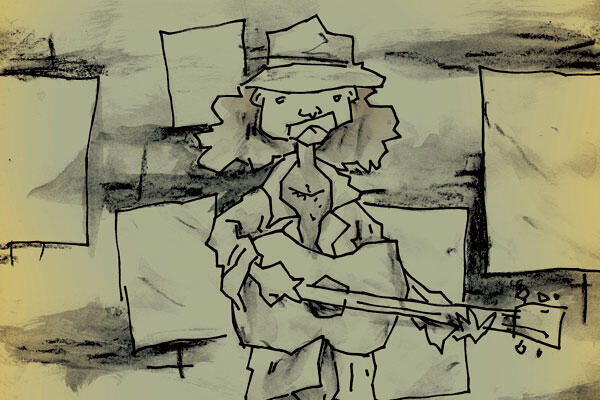
It’s not easy being a musician. An artist. There’s constant pressure – to write new songs, record, release an album, tour (and tour well) and just be an all-round GC. And there’s even more pressure if you’re a musician in New Zealand; the music industry just isn’t that big. New Zealand Music conjures different images for different people. Think summer beer-drinking: The Black Seeds, Fat Freddy’s Drop, Salmonella Dub, Six60 … blah, blah, dub and roots blah. There’s stuck-in-your-head pop people like Dane Rumble and Midnight Youth; and the transformation of alternative music, from the Mint Chicks through to its absorption into the mainstream and the resulting Naked and Famous. Rock veterans Shihad and The Feelers have been around longer than I have, and let’s not forget Studylink’s playlist from hell: Crowded House, Bic Runga, Don McGlashan, Dave Dobbyn and that song about nature and leaves (“nature, enter me”?? Rude). But let’s be honest, Nature’s Best and Conscious Roots CDs aside, that’s about it. It’s only recently that hip-hop has emerged considerably – see the bankruptcy and later revival of Dawn Raid Entertainment – and except for a few guys like Scribe, Savage and P-Money, New Zealand hip-hop hasn’t really been out there in the past few years. Then independent hip-hop labels came on the scene, followed closely by Home Brew and David Dallas. Labels are an important and complicated part of being a musician. There are two main types: Majors and independents (also known as indie). Major labels are the big guys like Sony Entertainment, Warner Music and EMI. Independents are many and varied – NZ’s oldest independent label is Flying Nun Records, and there are countless others. Indie labels can be a bit sneaky though – some claim to be independent but are actually being funded by the big guys behind the scenes. It’s actually these big guys that are partially responsible for that pain-in-the-arse anti-piracy law that got passed last year – by not buying the music they represent, you were making it so much harder for them to buy their second Ferrari, and you know how shitty rich people get when you mess with their stuff. Musicians also have another choice; to record and release their music themselves. This is especially popular with hip-hop artists: PNC and David Dallas released their albums online for free, cutting out the middle-man entirely. Home Brew have previously released their songs for free through HazBeats and the collective of artists known as Young, Gifted and Broke, and their most recent album debuted at number one last week – the first independent hip-hop record to reach number one in the NZ Charts since Scribe’s Crusader in 2003. For them, “we need to have creative control. And so it only made sense to stay independent. In this day and age you don’t need a major to reach your fans. As long as you have communication with the people you’re sweet.” And even though it’s about as internationally influential as John Key, there’s a lot to be said for the current state of the NZ music industry. Mike Fabulous from The Black Seeds reckons there is no easier time for musicians to get their music out there, thanks to the super-influential phenomenon that is social media. Home Brew frontman Tom Scott agrees: “It’s healthy. The power is back in the hands of the artists. People find out about things themselves – it’s not shoved down their throats. And they can decide what they want to buy. Without the new model of music in place, we wouldn’t have sold shit.” But just because a few people have heard and like your music, doesn’t mean you’re going to be a superstar. A few Facebook likes and YouTube views isn’t going to pay off your student loan. But with more artists having power over everything to do with their music comes more control over the costs of being a musician. It is becoming more and more financially viable to make a living as a Kiwi musician. Social media means they can be more self-sufficient, marketing and promoting themselves through Facebook and Twitter. Direct communication with the fans means the fans feel more involved, and suddenly the god-like musician is on their level, sitting behind a computer and updating their status like everyone else. Added to that, you can pretty much do anything via email today, from booking gigs, to setting up interviews, to distributing your music. We’re seeing the evolution of the new, self-sufficient musician – the musician in almost complete control. This new self-sufficiency is a bit of a double-edged sword though. It’s not just about how many people follow you, but who those people are. If you’re an obscure underground band with obscure underground followers, it doesn’t matter how many of them you have, you will always be an obscure underground band who are liked by some freaky people. The key here is quality, not quantity. So being a musician is all about making choices; who will represent you, whether you want a label and who you want that to be, and most importantly, choices about your music. Do you want to keep making music that matters to you regardless of how it sells? Or do you give up that creative control in favour of cash monies and somewhat temporary “success”? The industry is volatile, especially in New Zealand. With its five-year rises and dips, you might appear and disappear in a matter of months. Take The Mint Chicks for example. A few years ago, they were huge. They were going from strength to strength, cleaning up at the Tuis and really making a name for themselves. Five years down the track, and they no longer exist in their original form. After them came the emergence of pop with Dane Rumble and Midnight Youth, and then alternative music meshed with the mainstream and begat The Naked and Famous, who dominated last year’s NZMAs. Recently, we’ve seen the reappearance of The Mint Chicks in some of the coolest music to come out of New Zealand in years. Kody Neilson, ex-singer, is the mastermind behind new collaboration Opossum, while his brother Ruban is storming the US with Unknown Mortal Orchestra, recently receiving a Taite Prize for his efforts. According to Mike Fab, “the music industry is changing almost every day, for the most part … I think Gotye and Kimbra is a good example. It’s certainly all possible. But I think it’s almost easier to make a career in New Zealand than it is in say, London, where there are so many other bands that you’re competing against for the same amount of exposure or whatever … it can be really difficult.” It really all depends on how you define musical success. For some, simply making music and having people listen to it is success enough. For others, it’s about the stardom, the groupies, and the money in the bank. Remember Fast Crew? I bet you didn’t know that one of their main rappers is now the Top 20 sensation playing at a rugby half-time near you – that’s right, the one and only Dane Rumble. But what possessed him to go from fully sweet rapper to not-so-sweet mainstream “superstar”? I doubt he’d be well received in his fancy sunnies if Fast Crew were to make a comeback. His image, his sound – his entire genre – completely changed. And he’s probably enjoyed a little more “success” than he ever would have as one of the dudes from Fast Crew. Home Brew’s Tom thinks “it depends on what defines success though. Most of the time when New Zealanders ‘make it overseas’ it’s them selling huge numbers of one single that’s a fad for a couple weeks and then they’re forgotten. I dunno if I’d call that success.” Which brings us to the next generation of Kiwi musicians that are bringing some really exciting things to the industry. Martyn Pepperell, a Wellington-based blogger, music journalist and radio DJ, reckons there’s a whole group of 16-to-18-year-olds making music at the moment that no one really knows about. And even here in Dunedin, there are a whole lot of people going that extra mile to showcase local musicians. Take The Attic for example – this venue on George Street is currently booking some of the best talent Dunedin has to offer. And even some of the industry veterans – Mike Fabulous, Barnaby Weir, Connan Mockasin, Liam Finn, the Neilson brothers … the list goes on – are collaborating on brand new sounds that are guaranteed to cause some nationwide (and maybe even international) accidental pants-creaming. So maybe “making it big” isn’t the incentive any more. Sure, for some people, it’s not as much about the music as the money and the fame. But as the realisation that creative control is more important than mattering to people who will just as easily drop you for the next new thing has dawned on the burgeoning talent in New Zealand, we’re seeing the birth of a new incentive. As the wise Mike Fab says, “music should be something that you purely do just because it makes your life better – if that’s the main reason you do it, then whether you make it or not, it’s always gonna be there. I’d say, don’t be a fucker and don’t follow silly trends – just keep playing, keep playing and don’t stop.” Big ups to Tom Tremewan for his essential contribution to the making of this article.
-
Culture
 Issue 10 07/05/2012
Dub FX
“Fat beats, dirty bass lines, rap vocals and melodic vocal lines too. And I put it all together with loops. I’m multi genre.” Ben Stanford’s description of his sound sums it up in a few short adjectives; he has something for everyone. The DJ better known as Dub FX’s unique style started off as a street performance with a guitar and backing track. After he saw someone else using a loop station, he took it into his own hands and incorporated it – along with some epiiic beat-boxing skills – into his current sound. “It’s like a combination of lots of different things … I’d beat-box, and then I’d loop a beat, play guitar and sing over top. But as I kept busking people were interested in this loop – they were saying ‘do something with that!’ and it changed very quickly. I took the guitar away and started just using the loop station. So that’s how I play with the loop station; all the effects are my voice, I make all the bass lines, and I change the pitch of my voice to sound deeper or higher, or [to make] delays. That’s something I was already doing in bands for a long time so by the time I got the beat station I was already quite savvy with all the effects and what I could put into it.” With our dub, rootsy and heavy bass line music culture, Dub FX has a massive following in New Zealand and he loves coming here. Even though he lives in Australia, Ben said he resents the music culture there, but “[came] over to New Zealand and saw what was going on over there and I felt so much more at home ... musically I feel like my home is England, but as soon as I got to New Zealand, I was like ‘wow’, it’s pretty much on par with what I’ve been seeing.” His trademark collaborations incorporate all kinds of different sounds into one track, and have included the likes of Chali 2na (Jurassic 5), Pete Philly, and a whole load of other artists and producers. He explained his dream collaboration without missing a beat: Bob Marley. “But there are a lot of producers that I’m interested in like Nu Tone, High Contrast, Noisia, that kind of crew. Just because I’m a bit of a geek … my real passion is in the studio crafting songs even though that’s not what I’m really known for, but that’s what my passion is driven from – trying to emulate all these different genres and producers. When I listen to a song by Noisia I think ‘how can I possibly make that song? How can I make that with my pedals?’” He travels around performing with his fiancée, better known as Flower Fairy (can you see where I’m going with this? I’m sure you’ve seen the posters up around town). They’re playing at Sammy’s on Wednesday night, and you should go because they cater to everyone’s musical tastes – this is one gig that is not worth missing. But it’s hard work being one of the most promising drum & bass DJs in the world at the moment, evident when I asked Ben for his chosen superpower. After much discussion about the different merits and a moral debate about being able to get people to do whatever you wanted them to, he decided that “the obvious one is flying, but I can’t say that because it’s so obvious. To remain as calm as the Dalai Lama – to be in control of my stress. That would be the best superpower on the planet. And to have amazing amounts of energy. Unlimited amounts of energy.”
-
Culture
 Issue 10 07/05/2012
5 People to Watch Out for in 2012
New Zealand Music Month is upon us and Isaac and I thought it was about time we made some predictions. We’ve compiled a wee list of some New Zealand artists/bands we think are going to make it big in 2012 (whether nationally or internationally), and if you haven’t heard of them already, you will soon. KIMBRAKimbra’s first single “Settle Down” made a few waves in New Zealand, and even Perez Hilton was a fan, but it was her collab with Gotye on “Somebody That I Used to Know” that really got her onto people’s radars. The song shot to number one in nine countries, certifying 9x platinum in Australia alone and prompting them to quickly claim her for their own. Surprised much? It’s been blasting from most radio stations all summer and was even covered on Glee. Her most recent collaboration with Mark Foster (from Foster the People) and A-Trak is well worth a YouTube, and has left fans quivering with excitement over what she’s going to come up with next. Listen: “Warrior” (with A-Trak & Gotye) THE NAKED AND FAMOUSEveryone knows The Naked and Famous are pretty cool. Their songs “Young Blood”, “All of This” and “Punching in a Dream” were an alty kid’s wet dream until they went a wee bit mainstream. And who can blame them? They cleared up at last year’s New Zealand Music Awards and their album Passive Me Aggressive You was certified Gold in NZ. That’s not to mention the massive North American tour that they are in the final stages of, and apparently they’re pretty awesome live. So keep your ears peeled for these guys, because they are on their way to making it big. Like, international big. Listen: “Girls Like You” UNKNOWN MORTAL ORCHESTRATrue musical freedom without stereotypes and expectations usually only occurs at the start of careers. “Usually”, because this is not exactly what happened to Ruban Neilson, once a member of now-defunct alternative music royalty The Mint Chicks who found himself in virtual anonymity living and working on the other side of the world in Portland, Oregon. With no record labels or band mates, Neilson had a clean slate, and in his basement Unknown Mortal Orchestra was born. A jaunty, heavily psychedelic project floated on top of sampled drumbeats and freak-out vocals, his music pricked curiosity, then praise from the blogosphere, indie music labels, audiences worldwide, and acclaim from us here at home. The recent winner of this year’s Taite Music Prize, UMO is turning heads overseas, grabbing attention not just for Neilson but for our country, blazing a trail for our homegrown talent with musical integrity and flair in equal amounts. Listen: “Ffunny Ffrends” DAVID DALLASHe’s not just that other guy from Scribe’s “Not Many, If Any” anymore. He’s the only musician to be nominated for the Taite Prize twice, with an album released for free which garnered over 50,000 downloads, and huge blog attention worldwide including a plug by a certain big-mouthed, mic-stealing K. West. Not only pushing the boundaries for New Zealand hip-hop’s international attention, he also has creative opinions when it comes to the consumption and release of music. He released an entire album for free as a digital download, and produced an interesting composition of the eventual physical release which included four more songs and an entire instrumental disc for people to interact and rap over themselves, or just enjoy the beats. He pushes the boundaries of what it means to “consume” music while producing some high class, locally-grown, internationally-heard hip hop. Listen: “Take A Picture” JANINE & THE MIXTAPEEqual parts R&B soulstress, social media princess, and beat-making-song-churning machine, Janine & The Mixtape is a force to behold. Involved in every part of her music from making the beats, to singing the songs, to recording and even booking her own live gigs, New Zealand’s own take on the highly popular R&B resurgence (effectively described in a YouTube comment as “Adele with swag”) is part of the “cyber musician” movement. Her website/blog is a computerised scrapbook, with all of her activities including cut-off parts of songs, her own videos or just disjointed thoughts straight from her to her fans, creating a sort of cyber community where it’s less artist-and-fans and more musical village. A village which may become more of an overpopulated, crowded, super-hip city of its own, floating in cyber world and weighed down by a ton of swag. Listen: “Bullets”
-
Culture
 Issue 9 29/04/2012
Homebrew’s New Drop
After their gig with David Dallas and P-Money at O-Week, Home Brew have been busy recording and preparing their new album, Home Brew, touted as a debut double album conceptualised by the balance of life’s extremities. Released on May 4, it has two sides, one “dark” and the other “light”, and is described as a record that looks back at Saturday’s moment of madness through Sunday’s moment of clarity. I caught up with Tom (who handles the raps) to discuss the serious moral issues that we are faced with every day. Would you rather…Eat a shit flavoured curry or a curry flavoured shit? I’ve already thought deeply about this one, and I’m going with the curry that tastes bad, because it can’t be worse than, brussels sprouts or something. And the shit is bad for you anyway. Sell out or drive through South Auckland praising John Key? I’d rather do the John Key thing. Never rap again or never smoke buds again? Never smoke buds again. Easy. Goku or Vegeta? See, everyone’s a Vegeta guy, but I’m a Goku guy. Like I love the underdog and everything, but I like how [Goku]’s a dude and everyone hates him for it and he has to keep working. I’m not hating on Vegeta though, I love Vegeta … But he’s always just trying to be like Goku and maybe he should just accept that he’s Vegeta and be the best Vegeta he can be. Who would in a fight? A hippo or a killer whale? But what environment are we in? I think I’m going to say … there’s just a fundamental law that these two would never meet, and would never be able to fight. Sign to a mainstream music label or have your music played on The Edge? Uh music label. Easy. Yeah because they can’t tell you what to do. Head from a hot transvestite or a devil’s threesome? (After much discussion about the dynamics of a devil’s threesome) Oh the threesome sounds way better … you know, me and the boys, high five. Your dad catches you fucking your dog or your dog catches you fucking your dad? My dad’s a very forgiving person. So my dad catching me. Watch your parents do it 1000 times or join in once? 1000 times. They’ve probably done that. I can handle that. Be the richest person on the planet or immortal? Immortal, easy. But then you would lose all your friends! Yeah but then you could make some new friends. I think immortal is the better option. A jug of cum or a shot of period blood? The shot. Blood never killed anybody, I’m pretty sure semen probably has.
-
Culture
 Issue 8 22/04/2012
The Girl in Stillettos
Dunedin’s own Girl in Stilettos is in town next week and playing at Sammy’s on her national tour. Annah Mac will perform on April 28 as part of the tour to promote her single, as well as her album released in September last year. I caught up with her to find out all about her bowls skills, and how she’s feeling about her first national tour. Annah went to school in Dunedin, and coming back is exciting because “everyone that supported me there hasn’t seen the work I’ve been doing for the last three or four years now … the last time I was there I was just a girl with my guitar, playing in cafés and things like that, and now I’ve got a full band, and an album, and I’m really excited to share that with everybody.” Her national tour kicked off on April 20 in Auckland, and features gigs in Auckland, Wellington, Christchurch, Dunedin and Invercargill – a pretty big deal for a 20-year-old small town Kiwi girl. Speaking from Auckland, she said she’s “really excited, a little bit nervous, but everything’s going to plan so that’s cool. No last minute [issues], and the band’s all here and ready!” The “Girl in Stilettos Tour” is named after her hit single, which reached number two in the New Zealand Top 40 charts. The video clip features Annah at Hillsborough Bowls Club – an idea that came from video director Florence Noble who Annah describes as “very clever … when we met with her she sort of pitched the idea, and I thought ‘this is really great, it’s really awesome, it’s going to be really funny’ … and we kind of just went with that.” And as for her bowls ability? Many of us have grown up playing bowls in some form or another, and Annah is no exception. “I have at school, a couple of times, but I didn’t know very much until I got there that day. All the people in the video clip apart from two of the men were actually Hillsborough Bowls Club members … and they were very excited to teach me as well, so I sorta had a whole day of training during the video clip.” The song’s unprecedented success in the New Zealand charts has opened a lot of doors for Annah – she released her debut album Little Stranger in September 2011 and her time in the top ten has enabled this tour, as well as another single. Her successes are “pretty incredible … it’s been pretty amazing for myself and also for the team that’s been working with me. It’s a pretty exciting time.” And just like many New Zealand artists, Annah writes her own songs – yet another trait that proves her mad skills as a musician. So what inspires Annah Mac? “Everything you know, I’m constantly drawing inspiration from other artists, and my family and friends and situations that they’re going through, so everything really. Life.” You can see Annah play live on April 28 at Sammy’s, and tickets are available from the venue beforehand or on the door for $26 – all ages.
-
Culture
 Issue 7 15/04/2012
Boy bands: the new get-rich-quick scheme
I’m just looking for a good night/like baby, baby, baby, oh/that’s what makes you beautiful! One Direction, JBiebs, Reece Mastin … just a small sample of our daily bombardment of images of young(ish) boys telling us how amazing we are. Despite encouraging cradle-snatching in anyone over the age of 18, these boys – and let’s be honest, if they were girls, it’d be illegal – are all part of something a little bit bigger than just a post-1990s boy band revival. Take Justin Bieber. The “Youtube sensation” snaffled up by Usher started the craze; his cute fringe and baby face appealed to millions of tweens who had recently learned from Twilight the importance of having a boyfriend. Suddenly, they had a potential one, one that told them how amazing they were, how much he loved them – for fuck’s sake, he was singing to them – and the Beliebers were born. Young girls so delusional and so sure they LOVE Justin Bieber, they’re prepared to make death threats towards any girl he looks twice at. But he must be doing something right; his album debuted at number one, and he’s a multi-millionaire with a babin’ girlfriend and a horde of horny followers. Then there’s One Direction – the five-piece UK boy band from the X Factor phenomenon. They didn’t even win! After they all got denied early on, love-to-hate-him Simon Cowell combined them into a super group with more hormones than a Double Down. Reece Mastin – the 16-year-old with botox lips – is their Australian counterpart, and he actually did win. Don’t get me wrong, X Factor, American Idol – it’s reality TV at its finest – but we’re starting to get a formula here. Let’s take some boys that all look the same: They’re young, cute, they can kind of sing. Add some sweet threads and a JBiebs fringe. Next let’s make up a song ... what do little girls dream about? Film a video with your pre-packaged money-makers running around looking “sexy” and BAM! International superstardom. Girls from around the world will flock to see them and behind the scenes you’ll be relaxing in your mansion with a model on each arm. But why does it work? Last month, two tickets for the sold-out One Direction New Zealand concert went on TradeMe for over $2000. Justin Bieber has cancelled countless concerts because the hordes of horny pre-teens are literally beating each other up to get a glimpse of him. And Simon Cowell, Usher – even Justin Timberlake had a crack – they all know this, and they’re filthy rich because of it. But the boys are all screwed. They will forever be type-cast as those cuties who got swallowed up in the hype that only lasted until their fans hit high school. Biebs recently tried to prevent that from happening with a new image – he got a haircut, announced to the world that his “balls dropped”, had a pregnancy scare and did a few collabs with some black dudes. He even raps in his new single, because he wants to be “edgier”. It is yet to be seen if his new look will succeed. In a few months, we’ll probably see the fringe back again. Top 5 Boy Bands of All TimeThe BeatlesOkay, so they’re not your stereotypical “boy band”. But they were, and they were awesome. Unmanufactured brilliance. The Jackson 5MJ, his boys, and music they actually wrote. The King of Pop when he was still pretty normal. You know it’s good when you’re still listening to it 45+ years later. (equal) The Backstreet Boys & N*SyncThe male leaders of teen pop in the late 90s. I loved them all. And Justin Timberlake and Britney? Cutest couple ever. Five (or 5ive)I miss Five. Didn’t they have that one really awesome song? Posse in EffectThese guys are a 3-piece Dunedin rap crew. Facebook it. You might have seen them busking on George St and they’ve even released an album. Okay, so they’re the antithesis of a boy band … but they still made it into Critic.
-
Culture
 Issue 5 25/03/2012
Scarfies Come Home
An interview with Six60 bassist Chris Mac is one of the easiest 20 minutes a music journalist can ask for. Sure I asked him the important stuff, but considering how nervous I was about calling a member of Six60 (I messed up the phone number three times, my hands were shaking so much), the yarn I had with him was really just your average Friday lunchtime chat. Interrupting him mid-rehearsal, we talked about what Six60 have been up to and what their plans are for the future. After spending summer touring various “hot spots” (“well, they turned out to be cold because it was always raining”) and festivals around New Zealand with Mt Eden Dubstep, they’re coming to Dunedin on March 30 and 31 for their last appearance in the city before heading overseas. Chris described their summer tour as just a lot of fun (even in the rain). “Mt Eden Dubstep are a cool bunch of guys that put on a good show, and it felt like a family just hanging out for the summer.” His highlights? “Rhythm and Vines was a whole lot of fun. Tauranga, The Mount – all of it was pretty incredible. We were just amazed at the crowds and just so shocked that there were so many people there. We really were surprised at the turn-outs.” Their two shows in Dunedin are their first since late last year, and at the time of going to print, Saturday night had already sold out. Chris said the band are really excited about coming home again. “I think the last time we played down there was around exam time … we had such a good crowd … but we’re excited to be down at the start of the year! Everyone’s fresh … not stressed out, and people are ready to just let loose and have fun.” And of course they’re playing in the city where it all began. “It’s always so much fun thinking like … it’s Dunedin. It used to be like a backyard party and now it’s all these other friends who are coming to watch us and it’s fun.” Both gigs are at Sammy’s, and tickets for Friday’s show are selling fast. Chris described the venue as a different place to play, because he likes the history and heritage of it. But he said his favourite spot was Union Hall because it was special to the band: “it’s such a University place and it’s so historic for us so, that was always a big thing for us.” Once the summer tour is over, the boys are headed overseas to tour Australia, Europe and the USA. If you follow Six60 on Facebook and Twitter you will have seen their posts asking where they should tour internationally – but does that make a difference when they’re picking places to tour overseas? “Entirely. There’s a bunch of shows that we’ve booked in the US based entirely on the feedback we got from Facebook and Twitter … we just went where we were requested. Hopefully it will translate to seeing some people at the shows!” And after the tour? The success of Six60’s self-titled album at the end of 2011 – it debuted at number one and was certified gold in its first week – has many people asking when we can expect more music. Chris didn’t disappoint: “We’re writing for the next album already, and there’s some really exciting stuff coming out for that. So I think we’ll be recording near the end of the year. Hopefully a whole new album, which may not be out until 2013.” And then I asked that same age-old question, I had to know; Marmite or Vegemite? “Aaah! Well it depends upon the vehicle! It totally does. Like if I’m doing it with cheese, then it’s gotta be Vegemite, but if it’s on Vogels then you have to go Marmite, so it’s totally about the vehicle. I grew up in Australia on Vegemite and it’s only since I came to New Zealand that I’ve learnt to embrace Marmite,” he said. So we have a man who swings both ways on the Marmite/Vegemite debate – that’s a first. Six60 are playing at Sammy’s on March 30 and 31. Saturday night has already sold out and Friday is going the same way so if you want to go you’re going to have to get your tickets ASAP.


