
Anna Robertshawe
Contributor
Articles by Anna Robertshawe
16 articles found. Displaying page 1 of 2.
-
News
 Issue 18 07/08/2023
In the Trenches of Barbie
It was a Sunday eve. A slight drizzle sprinkled the still, cold air. Civilians strolled around the Octagon. Armed with their e-tickets and pink uniforms, Barbie militia were beginning to mark their territory. Little did it know, Rialto Cinema was about to be shell-shocked. Critic sent our slayest field journalist to chronicle the advance of the pink army. Walking into the trenches, the air buzzed hot with anticipation. Close to a hundred uniformed Barbie militia had stationed themselves in the foyer, clutching their large popcorn choc-top combos, ready for any sign of enemy activity (Oppenheimer viewers would soon be arriving for their screening in Cinema 2). It really was no-man’s land. The only men seen were a few boyfriends being held hostage and some fathers seeking desperately to reconnect with their daughter’s inner child. As the numbers of valiant soldiers began to grow, a sense of resolute determination and frustrated impatience came over the crowd. Finding myself in the midst of a swarming pink sea of Barbie’s acolytes, I realised I was in the trenches. Never did I think I would make it this far. My jumbo Coke Zero started to slip out of my hands as my palms began to sweat and my heart rate rose. The ticket marshall had taken up his station at the bottom of the stairs. Cinema 3 was only two flights away. The troops were alert and ready. This is what they had spent their entire life training for. All the blood, sweat and tears would not go to waste now. Finally, the orders to mobilise began: “Ok, everyone, if we can please line up in an orderly fashion and allow me to scan your ticket,” said the ticket marshall. The velvet barricade was removed and bedlam ensued. The troops could not wait a second longer to execute their mission; springing up out of the trenches, armed with fanatic zeal, they made a run for it. Thundering up the stairs, anyone would think Oppenheimer was having a live-action screening next door. One of the cinema lieutenants attempted to control the swarms. “Oi, no running!” He bellowed in his patriarchal, mansplaining voice. But the pink paratroops had forgotten themselves. The adrenaline of being out of the trenches and into the field was overwhelming. The ticket marshall’s efforts were fruitless, and many, many tickets would have to go unscanned. I was quickly swept up with the tide of militia. Hurling up the stairs, I held onto my comrades and made my ascent with bated breath. I thought about writing home in case I didn’t make it. In that moment, everything was put into perspective: how much had I risked in the name of honest journalism? Was I out of my depth? I tried to hide my fear behind a pair of giant pink eyeglasses. Barbie World is not what it seems. It’s a warzone out there. But as soon as we entered the cinema itself, I knew I had made it out alive. An eerie sense of calm engulfed the atmosphere. The invasion campaign was over. Now it was time to numb the trauma with a pink-powered pronouncement of the problems with the patriarchy. Our valiance would not go unrewarded.
-
Features
 Issue 15 18/07/2023
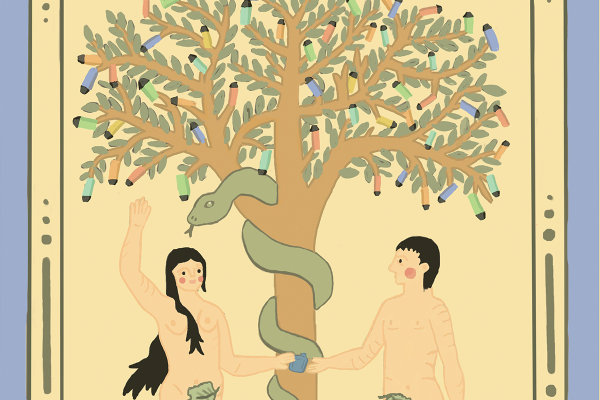
Vape Laws: A Breath of Fresh Air?
The other night, I found myself and my five flatmates talking about how bad vaping was and everything the government should be doing to address it – all while we passed around my friend’s big, blue, bubble-shaped vape filled with grape ice juice. “It’s liquid in your lungs!” exclaimed one flatmate, as she inhaled another puff. “We think of it as water vapour, but it’s way worse than that.” “Can I have B’s?” asked another, solidifying her place next in line for a toke. The irony paints a perfect picture of the predicament Dunedin students, and a lot of young New Zealanders, have found themselves in. Like a baby in the womb whose mother smoked durries while you were still cooking, it feels like we haven’t been given a choice over our addiction. Our young, teenage minds were infiltrated by big corporations who capitalised on the innate vice of addiction. Amelia* called her addiction to vaping “stupid”, saying she wished she’d “never done it to begin with.” She only started because her friends did. Jade* initially “hated” vaping in her first year, but when she saw that Vaper’s Nest had a deal on, she thought, “Fuck it, I’ll get two because they’re so cheap.” That’s when she started getting addicted. Only a few years ago, vape companies targeted many students in residential colleges with offers of free disposable vapes delivered right to them. These insidious marketing tactics have ensnared an entire generation. According to Dr Luke Bradford, Medical Director of the Royal New Zealand College of General Practitioners, vaping among university-aged students is “essentially approaching pandemic levels.” According to a survey by the Ministry of Health, young people aged 18-24 had the highest daily rate of vaping, increasing from 5% in 2019/20 to 22.9% in 2021/22. In Dunedin, vaping has become a cultural phenomenon. “Everyone else is doing it,” remarked one student who started vaping when she came to Dunedin. “It’s like a security blanket,” said another. “A lot of people who are addicted to vaping are addicted to the ritual of it,” says Amelia. In other words, we actively choose to engage in the habit of vaping because it has been deemed socially acceptable - and perhaps socially necessary - by our peers. The Australian government recently introduced measures to curb vaping, including making vapes prescription-only. This necessitates a conversation here in New Zealand, where vaping is even more prevalent. What is our government doing about it, and should they be doing more? The Labour government has recently introduced new regulations that are to come into effect in August. Firstly, they are limiting the sale of disposable vapes. All vaping devices sold will need to have “removable or replaceable batteries”. Secondly, locations within 300m of schools and marae will be off limits for new vape retailers. According to Minister of Heath Dr Ayesha Verrall, this is to “put vapes as far from the minds and reach of children and young people as possible.” Thirdly, flavour names such as “cotton candy” and “strawberry jelly donut” will be replaced with generic names that accurately describe the flavours, such as “berry”. With these new measures, Dr Verrall says the government aims to strike a balance between preventing young people from starting, and having vapes as a cessation tool for those who want to give up smoking. But will they work? University of Canterbury Professor Mark Wallace-Bell thinks they will. “I think it will make a difference and reduce the rate of vaping among young people,” he says. Wallace-Bell oversaw PhD research into the vaping habits of 18-24 year-olds, and sees these kinds of measures as “long overdue”. However, Janet Hoek, a professor of Public Health at Otago, believes that “what they’ve announced at the moment doesn’t go far enough… we now know that we have a really huge problem, and no one’s taken accountability for it.” Hoek says the government should have just banned disposable vapes full-stop. “We know that they’re really affordable, we know that they’ve targeted young people through their design and colours and packaging,” she says, “so why not just get rid of them?” Dr Kelly Burrowes, a senior researcher in Bioengineering, also sees the flaws in the new regulation: “[The government] say vapes must have a rechargeable or removable battery, but actually some of the disposable vapes are rechargeable.” Instead, she suggests the rule should ban vapes that aren’t “refillable”, rather than “rechargeable”. Health experts aren’t satisfied with the 300m rule, either. “Any existing outlet is not covered by the new regulation,” says Hoek. “It also doesn’t address the growing problem of outlet density,” she says, including the “store within a store” practice, where dairies create an internal, specialist store from which they can sell vapes. These Russian-doll vape shops won’t be covered by the new regulation. Dr Burrowes estimates that there are roughly 10 new vape stores opening every week in New Zealand. There are currently 1300 specialist vape retailers in the country. According to Hoek, “[the regulation] stops a bad problem from getting slightly worse, but it does nothing to address the fact that the problem’s already there.” Dr Bradford also thinks that changing the flavour names won’t work. “Whether it’s called ‘berry’, they’ll still find out which one they like and smoke it,” he says, “because at the end of the day, it’s still flavoured.” Hoek says the government should reduce the flavour variety. The government’s new regulations will likely have preventative effects, but may be less effective in addressing the prevalence of vaping that already exists among young people. Jade*, who is addicted to vaping, say they would still vape without those yummy flavours. “I don’t think it would stop people like me from vaping, but it would stop new people vaping,” they say, “people like nicotine, it’s an addiction.” The general consensus among health experts and students is that the government could be doing more to address the pandemic levels of vaping that Kiwi youth are experiencing. However, some want to protect their freedom to choose. “I should be able to decide whether or not I vape,” says Ben*, “same as with drinking alcohol, it’s my body.” Some students think that vaping should just be made illegal. “I’m definitely addicted to vaping, but I think I would stop if it was made illegal,” says Holly*. Caleb thinks vaping should “absolutely not” be legal, given it’s a substance “that’s more addictive than cocaine and targeted for children.” While that bold claim from Caleb might not be entirely true, vaping does pose a significant public and long-term health risk. A UC study into e-cigarette use found an apparent increase in students vaping in smoke-free spaces, indicating that vaping could be a source of considerable harm to public health. There are both physical and mental health impacts on students as well. According to Hoek, “[vaping] causes mental health stresses and problems for young people when they’re dependent, and they realise that they’ve got this practice that they can’t get rid of.” So many students wish they’d never started, like Amelia, who sees her addiction as “stupid” and something she’s now “stuck with.” Perhaps banning vapes outright would be a way of tackling this issue head on and help students curb their addiction. However, a lot of health experts advocate for vapes as an effective tool for helping people who smoke to quit. This was, after all, the original purpose of vapes. “When NZ becomes smokefree in 2025, people are going to need alternatives,” says Hoek, “so vaping products have a potentially important role to play as a reduced harm alternative for those people.” Wallace-Bell sees it as a “bit of a stretch policy-wise” to make vapes illegal, one which “might come with some unintended consequences.” Students were concerned about the potential for a black market to spring up were vaping to become illegal. “I don’t think it should be banned,” says Emily*. “Prohibition hasn’t worked in the past. People are going to jail for small marijuana charges, we wouldn’t want the same thing happening with vapes.” Vaping has become such an integral part of many young Kiwis’ lives that some students believe it cannot be tackled by simply making it illegal. “We are way too late for it not to go underground if they banned it,” says Caleb. “The problem is so big that it would require so much effort to make [vapes] illegal,” says Josh, “plus, vaping hasn’t been around long enough to use long-term side effects to warn people.” However, Dr Burrowes and Dr Bradford both point out that, while vaping is less harmful than smoking, it still carries risk. Dr Burrowes says, “No one really knows what the health effects of inhaling those flavourings will be… there are still some harmful chemicals in there.” According to Dr Bradford, “There has been nothing except pure air that mankind has ever chosen to inhale chronically that has been good for their health.” Instead of banning vapes outright, some experts think New Zealand should follow Australia’s footsteps in making vapes prescription-only. “We will probably follow Australia,” says Wallace-Bell. “It’ll be packaged like a medicine as opposed to something attractive [which] will make a big difference [to] young people using it.” However, Dr Bradford sees a risk of weighing down the health system if we move to prescription-only policy. “We’re already under a pressured health system,” he says, “and if we’re taking away important clinic time for prescriptions of vapes, that’s not ideal when we’re already struggling to service our sick patients.” Other solutions for harm reduction policies to target vaping in young people include going to plain packaging, zero marketing, and health warnings - similar to what has been done with smoking which has appeared to work. “People aren’t going outside the library for a ciggy,” says Jade, “like, that would be weird.” Taking away the socially acceptable aspect of vaping would likely reduce the rate of vaping among Dunedin students. Vapes are highly accessible and affordable, particularly in Dunedin. “Most of the vaping I’ve done has been in Dunedin,” says Amelia. “[Elsewhere], they’re not as accessible.” Therefore, students saw merit in reducing the number of vape retailers in Dunedin, including by taking them out of dairies. Dr Bradford thinks vapes need to be moved back to their original purpose, which was to help tobacco smokers quit tobacco. “So we need to get rid of the candy store-like appearances of vape shops,” he says. Instead of simply renaming the flavours, students and experts both see merit in getting rid of the flavours altogether. “They need to chill with the crazy flavours, it just promotes people to start,” says Emily. “When I was younger, if the only flavours [available] were tobacco and menthol, I probably wouldn’t have started.” The government should also look at increasing the price of vapes, says Wallace-Bell. He notes the “worrying trend” of young people who have never been smokers taking up vaping as a result of “very good marketing” and “high accessibility”. Increasing the price of vapes would curb this trend, making them less accessible to students (except maybe the rich ones). Both health experts and many students feel that the government’s current regulations do not go far enough, even though many of these students are currently addicted to vaping. Dunedin life lends itself to vaping culture, a vortex which many students have been caught in. While making vapes completely illegal is likely not the answer, the government could be doing more to reduce the accessibility of vapes for young people, and implementing harm reduction policies to help those who already vape. “Right now, I don’t know how to stop,” says Emily. “If more regulations were to come in, it might help me to finally quit.” It’s not what we want, but it’s what we need. Jade reckons that “people deep down would be happy” if the government implemented more restrictions. “With something like vaping which is so prevalent in Dunedin,” says Emily, “people wouldn’t just go along with it straight away. But they’d get over it pretty quick.” *Names changed.
-
Culture
 Issue 12 21/05/2023
Drum and Bass: How it took root in Dunedin
In the 1800s, they brought gorse from the UK. Now it’s everywhere. In the 2000s, another import took root in Dunedin’s soil: Drum and Bass.
-
Culture
 Issue 11 16/05/2023
How to Know if You’ve Got The Ick
-
Features
 Issue 10 07/05/2023
The History of Hyde
25 years ago, it was a couple of mates doing a keg race. Today, the Hyde Street Party is one of the most iconic days of the year.
-
Culture
 Issue 8 23/04/2023
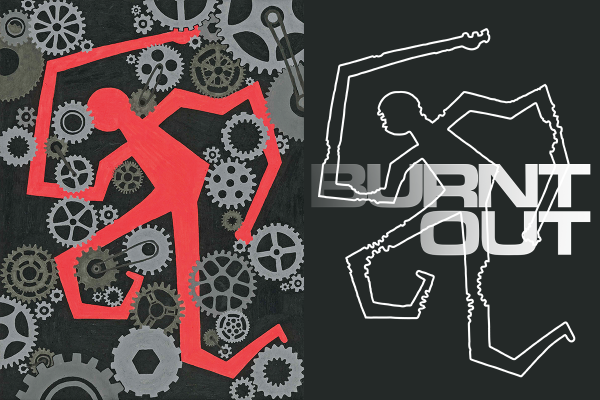
Burnt Out
“Work hard, play hard” works, until it doesn’t. Most of us drink anywhere between 1-4 nights a week, work one or two jobs, and belong to one or two clubs or volunteer groups - all on top of uni. It’s a lifestyle, and we make it work. But students are burning the candle at both ends and burning out en masse. What’s changed since the ‘80s? Why do we all feel like we’re about to lose it?
-
Culture
 Issue 7 16/04/2023
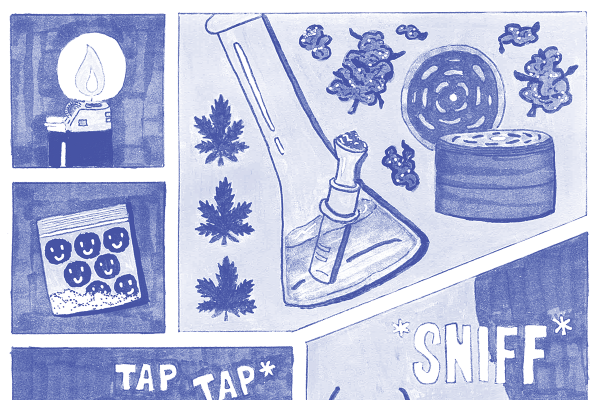
Pick your Poison: Drug Trends in Dunedin
The relationship between drugs and Dunedin party culture is probably stronger than your parent’s marriage. But much like fashion and music, taste in drugs has changed over the past few decades. Critic Te Ārohi decided to take a deep dive into Dunedin drug trends over time and ask why some substances are more popular than others.
-
News
 Issue 6 02/04/2023
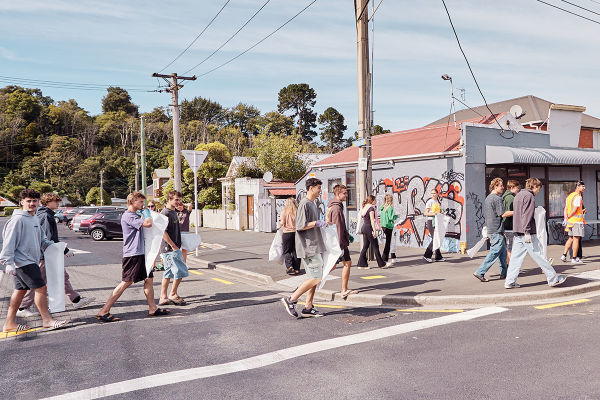
2023 Castle Clean-Up Sees a “Whole New Generation” of Volunteers
Returning for its fourth year, the Castle St clean-up on Friday, March 24, saw around 200 students congregate in the Dunedin sun to participate. Hosted this year by the student-led group Hold Onto Your Friends (HOTYF), the clean-up is aligned with the Sophia Charter, dedicated to Sophia Crestani. Organisers were “really happy” with the turn-out this year, speaking to Critic Te Ārohi on the potential of the Dunedin student community to make positive change.
-
Features
 Issue 6 02/04/2023
Dunedin culture: An international perspective
Now that the Covid monster has been slain (in the eyes of policymakers at least), the borders have opened and Dunedin has welcomed a swarm of international students finally able to fulfil their questionable dreams of studying at Otago. This year, the University has more than 750 international students commencing study compared to the approximate 200 this time last year, which the University’s acting Vice-Chancellor Professor Helen Nicholson was happy to report. But how’d we attract students from around the world to Dunedin, of all places?
-
Features
 Issue 6 02/04/2023
Dunedin: The RTD capital
When you’re drinking four nights a week, the contents of your can becomes a hot topic. Stories are told about that mean Byron Bay drink you had last Thursday, and how you can never go back to Part Time Rangers since you fucked out in the curb outside Rob Roy in first year. RTDs do more than intoxicate; they tell stories, hold memories, and they taste pretty damn good. As a result, they have formed a core part of Dunedin’s drinking culture.
-
News
 Issue 3 12/03/2023
Back in Black
Thursdays in Black is a nation-wide student-led campaign devoted to preventing and responding to sexual violence in tertiary spaces - and it’s back for another year in Dunedin.
-
News
 Issue 2 05/03/2023
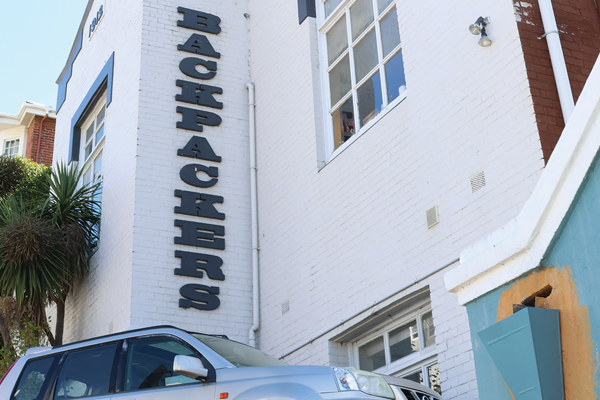
Inside that 800-Person Backpackers Party
On the Wednesday night of O-Week, View Street throbbed with DnB and pheromones as hundreds of third year students migrated to Backpackers flat for a “sports-themed” host. It was shut down by police in protective gear, and widely criticised online as a “dangerous 800-person party”.


